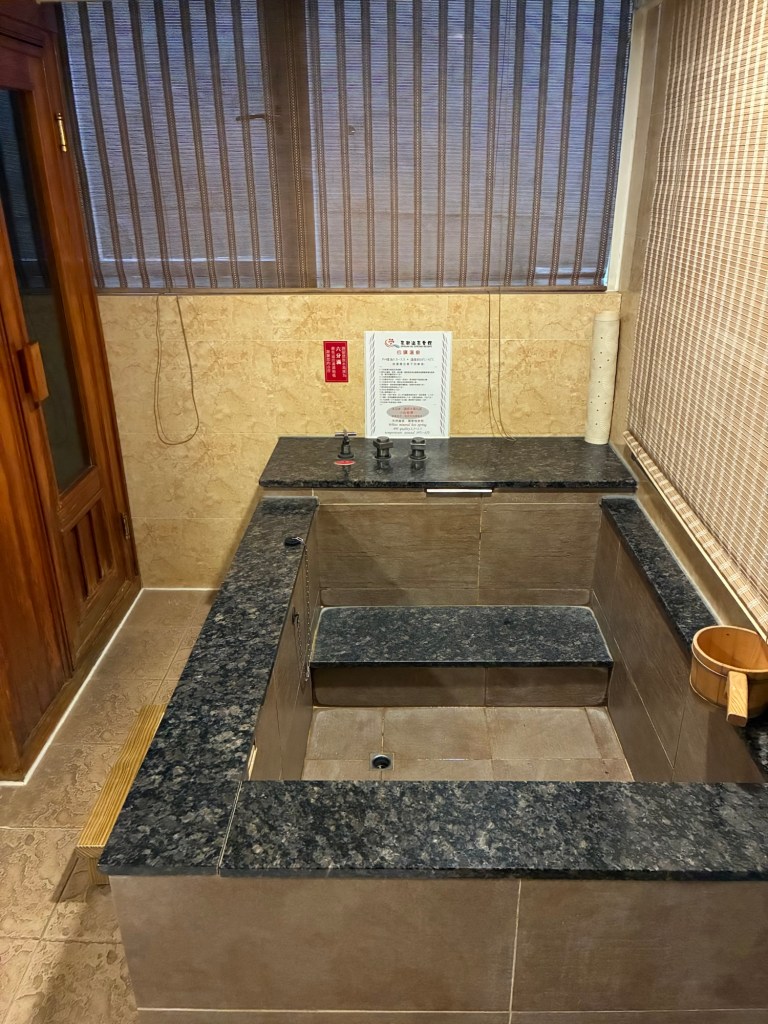
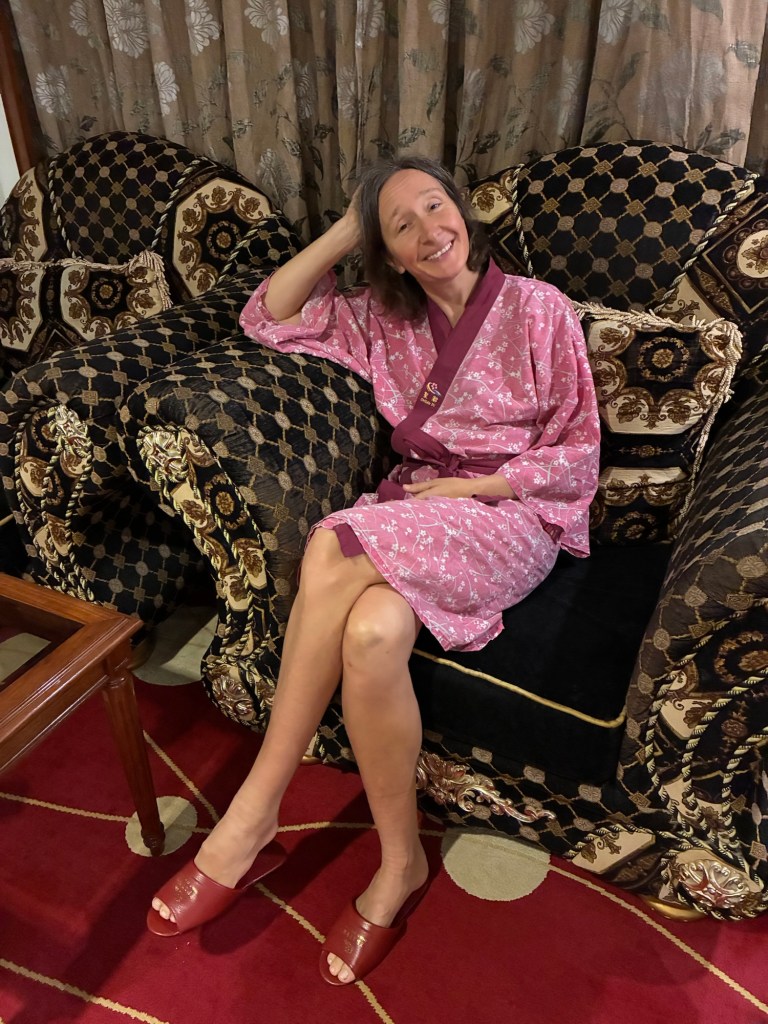
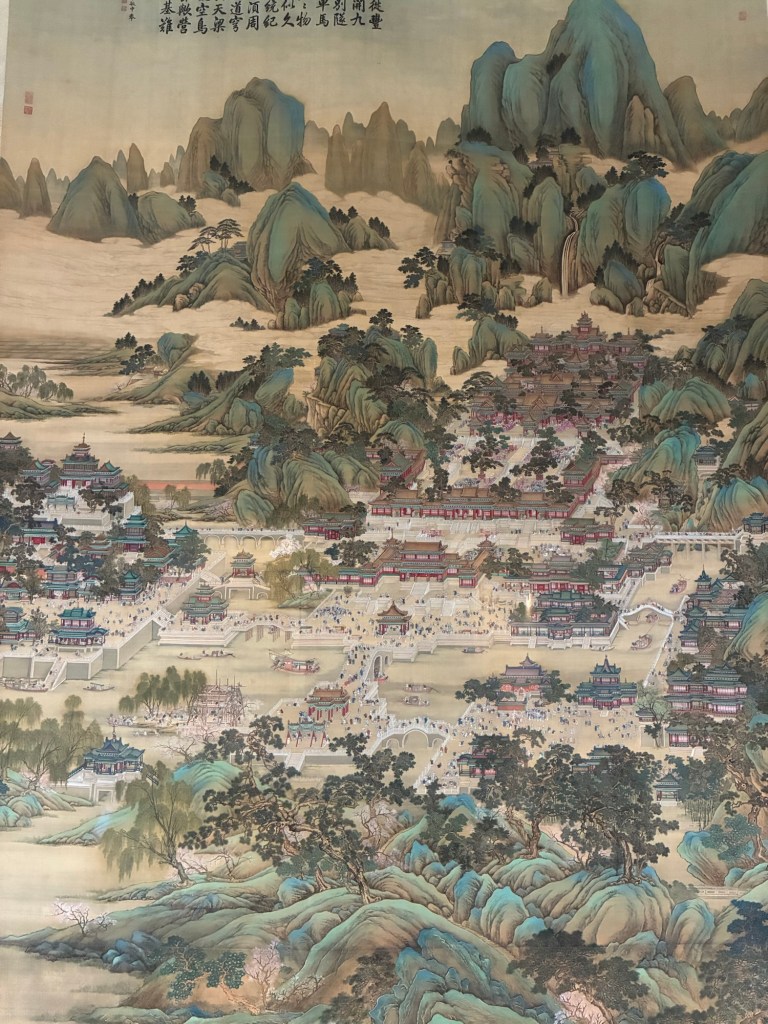
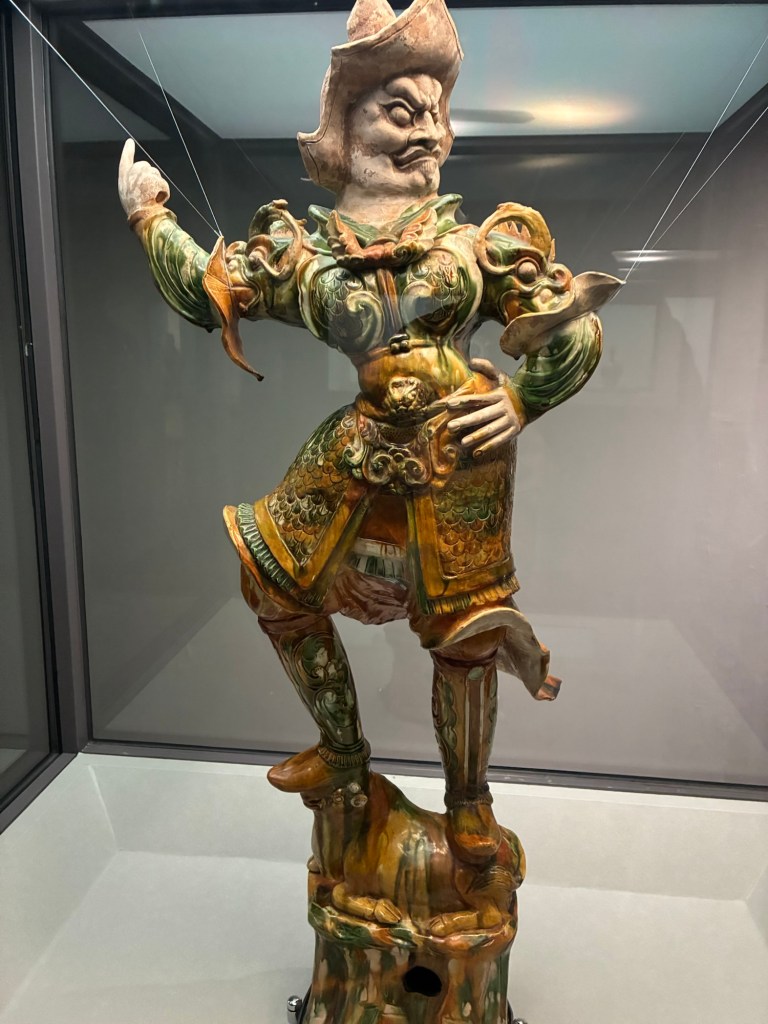
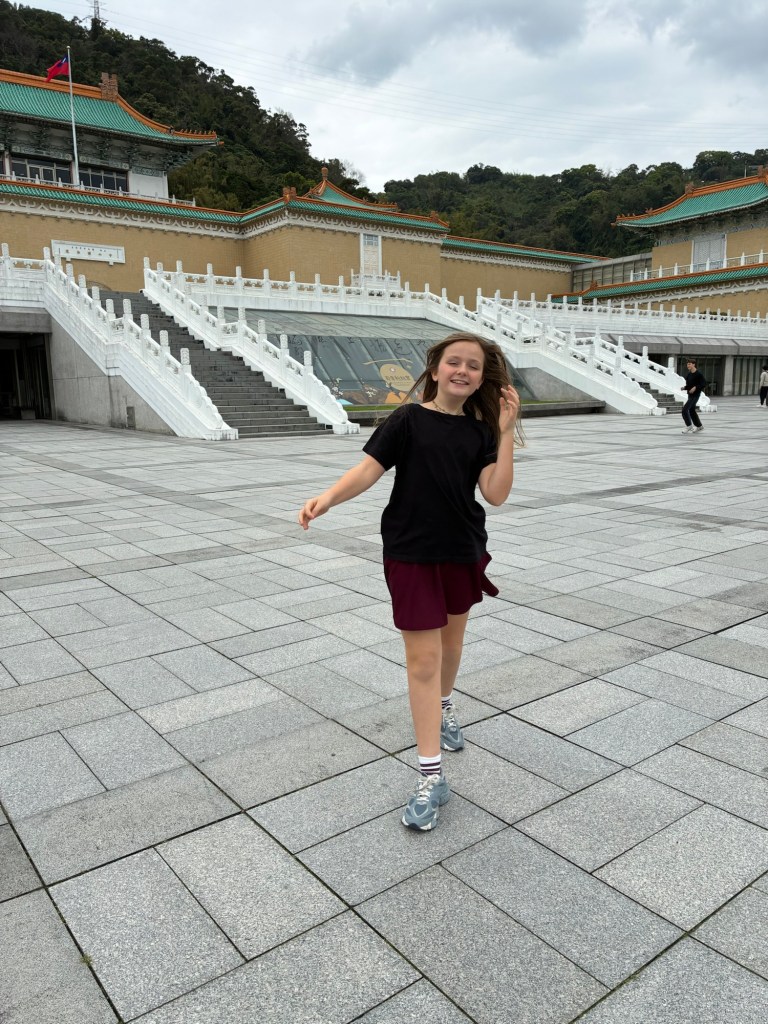
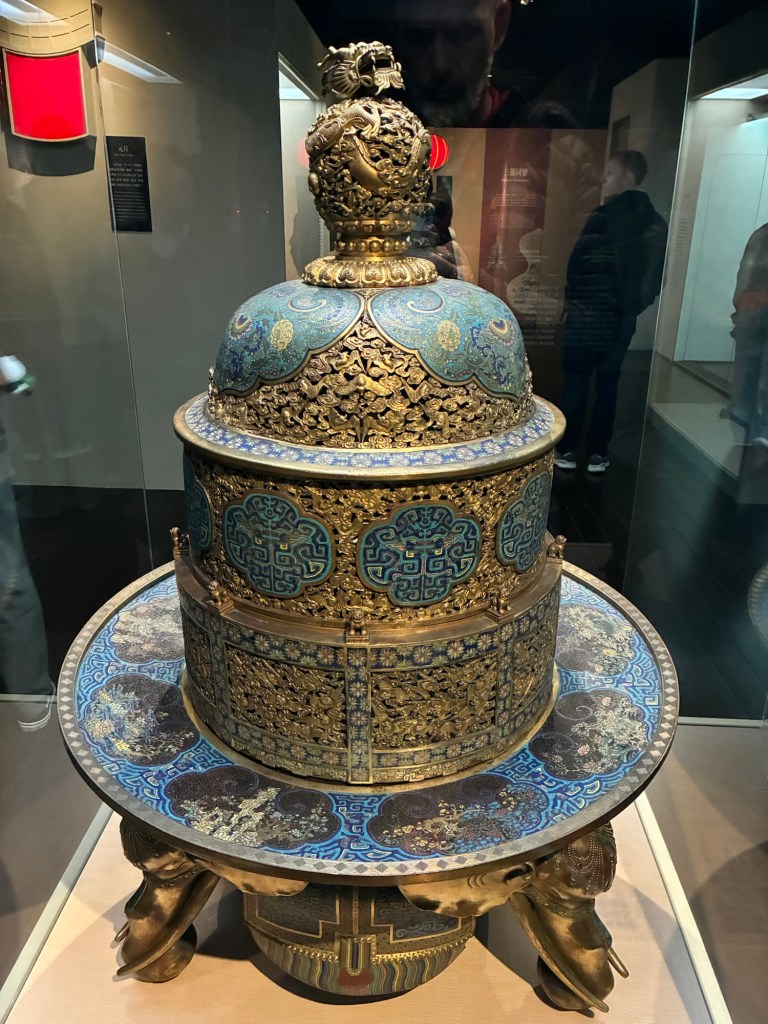
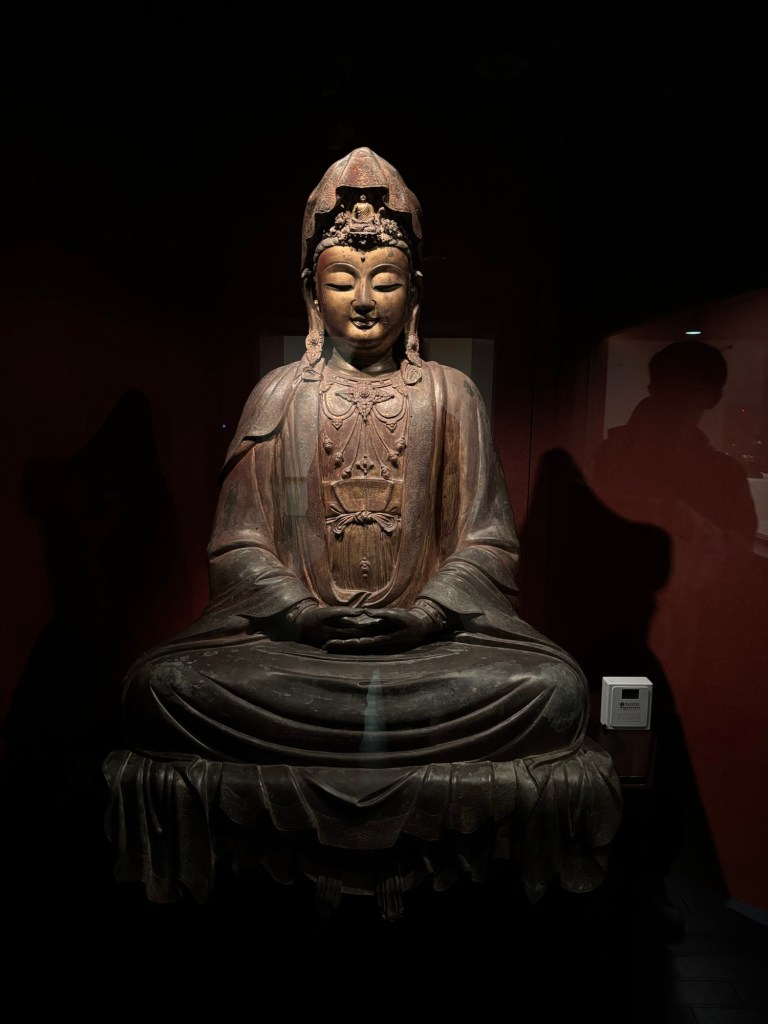
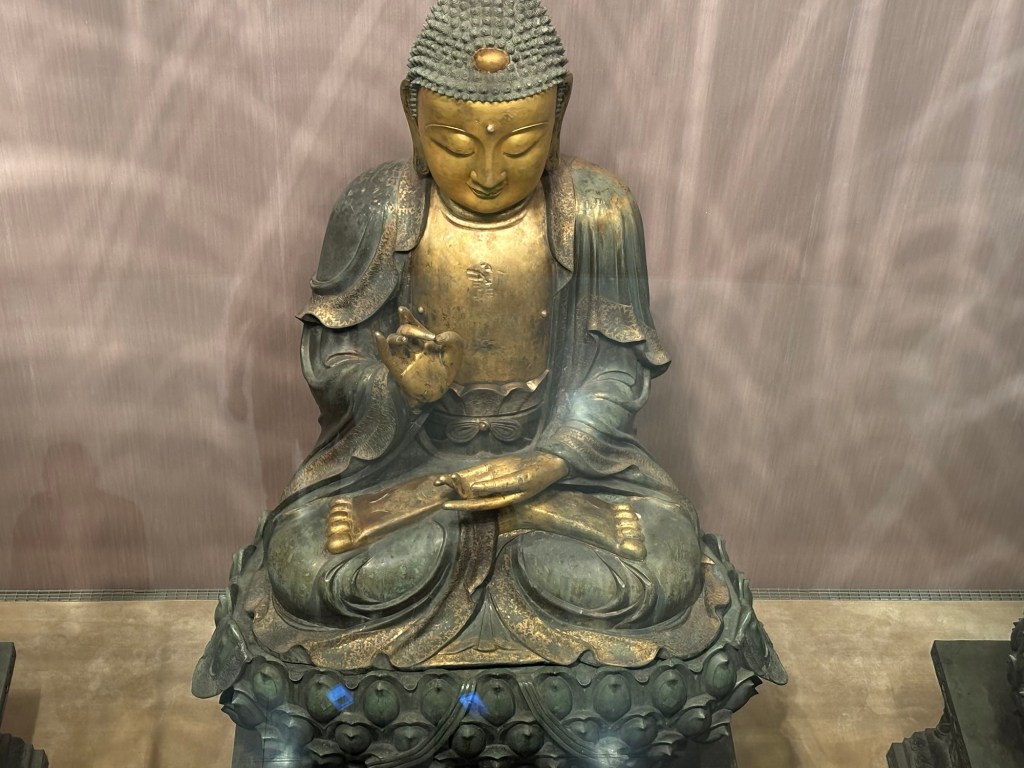
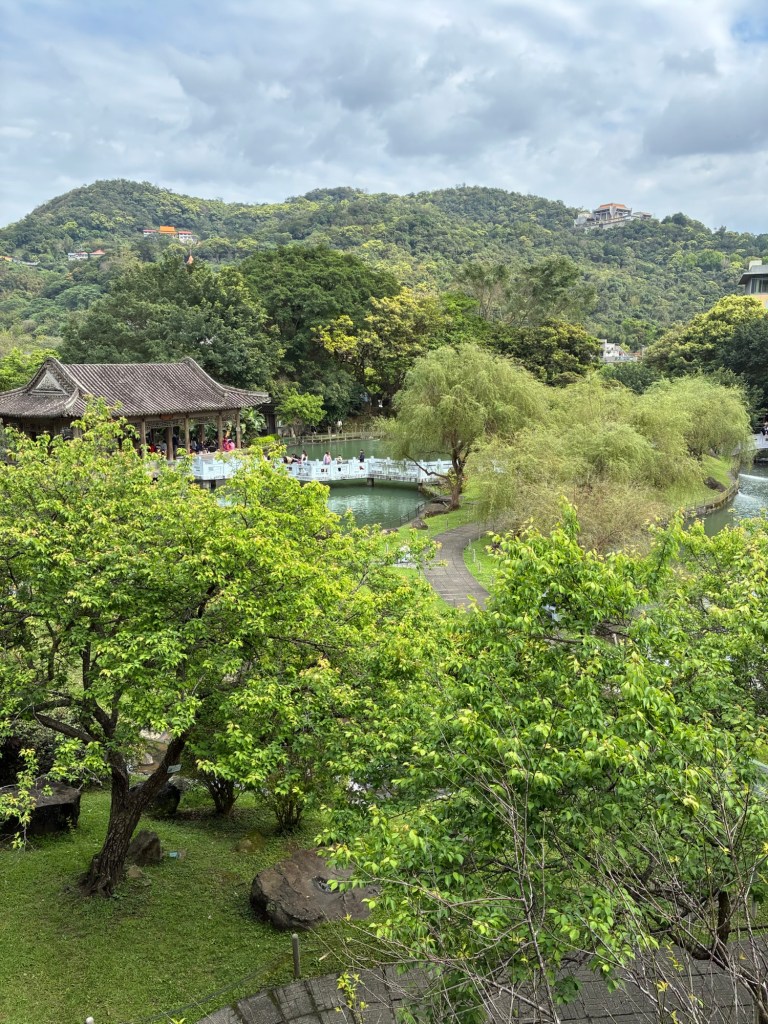
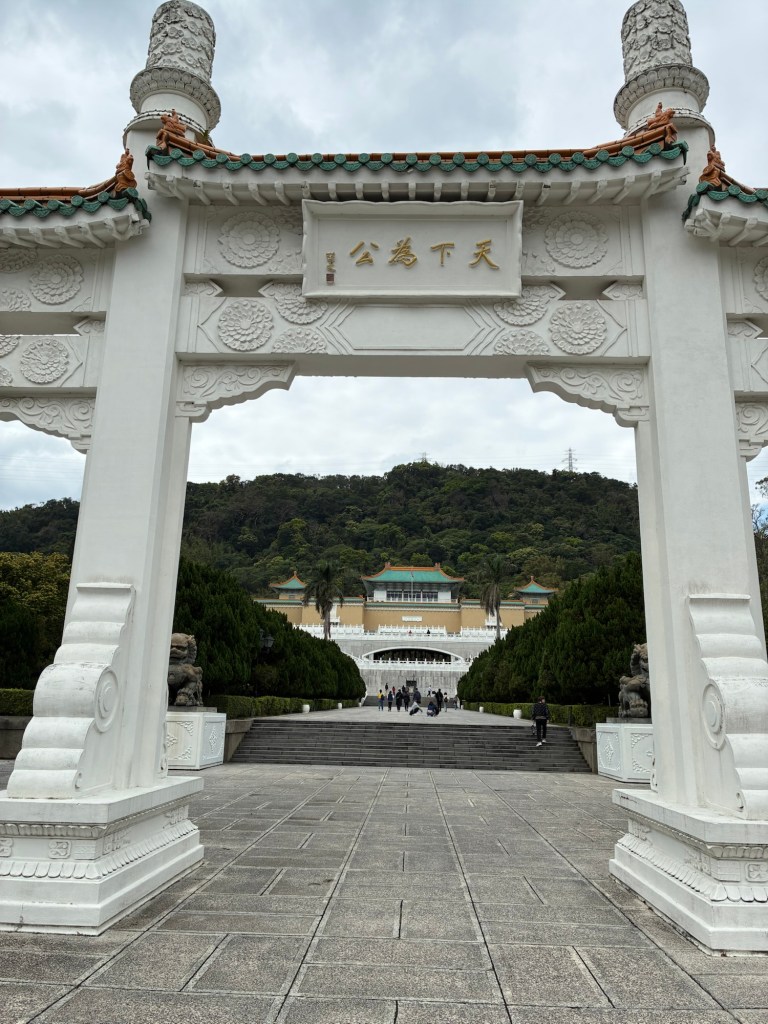
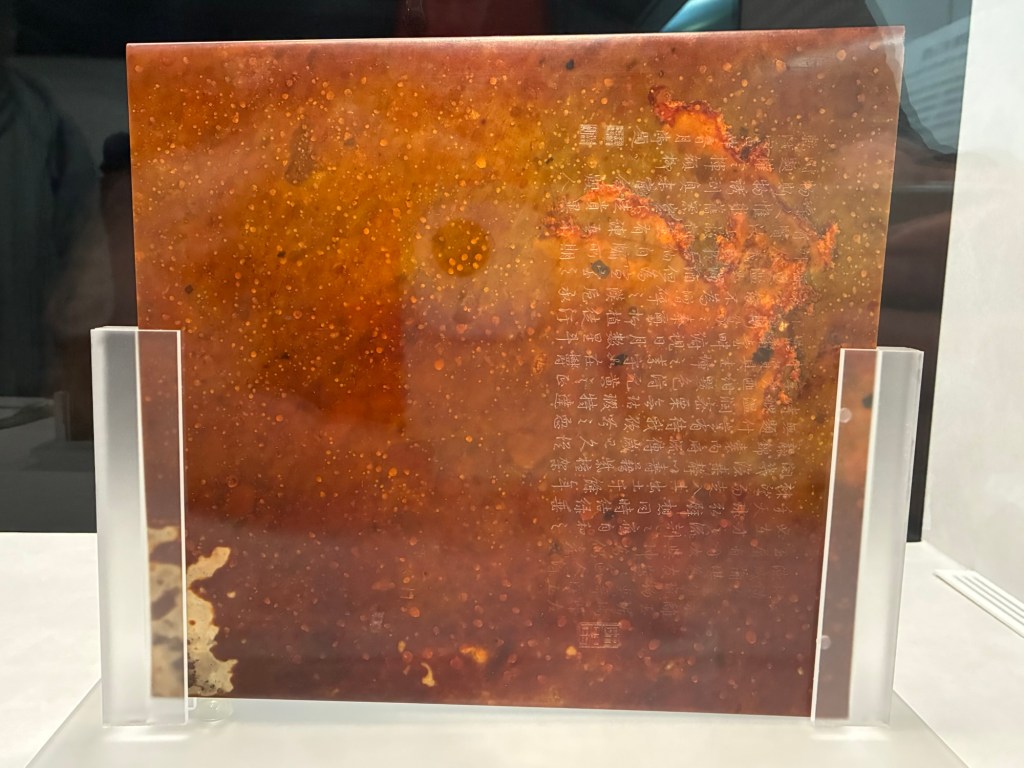
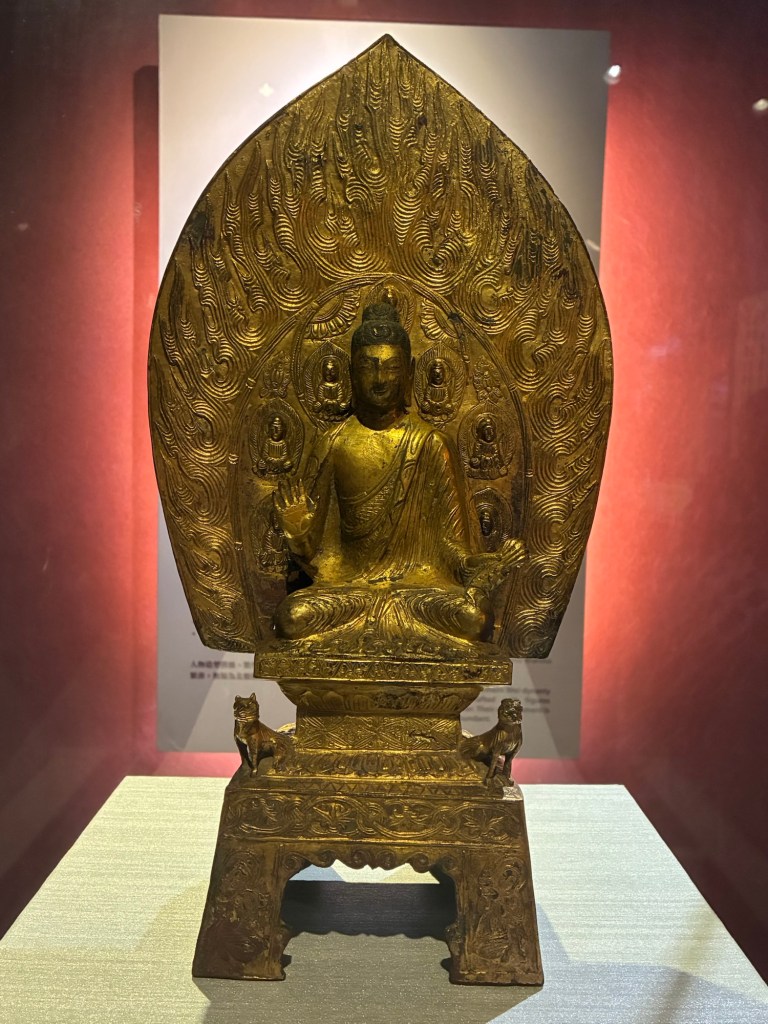
Mit den heißen Quellen von Xinbeitou wurde während der japanischen Kolonialzeit (1895–1945) eine Thermalbad-Region entwickelt. Wir haben ein Zimmer mit Sauna, mit eigenem Thermalbad-Wasser. Es riecht nach Schwefel, hat einen PH von 3,5, und ist ein herrlicher Genuss. Dazu liegt im Zimmer ein Geschenk für die Gäste zur Kontemplation aus, 108 Adages of Wisdom. Der Autor, Master Shen Yen hat eine führende Rolle bei der Wiederbelebung des chinesischen Buddhismus, wie der Klappentext schreibt. In fünf Sprachen gehalten, spricht es Reisende an. Auch im Nationalen Palast Museum wird die zentrale Rolle des Buddhismus in der chinesischen Geschichte betont. Dieses Museum enthält die Kunstwerke der kaiserlichen Sammlung Chinas, die aus Angst vor den Maoisten 1945 von Peking nach Taiwan gebracht wurden.
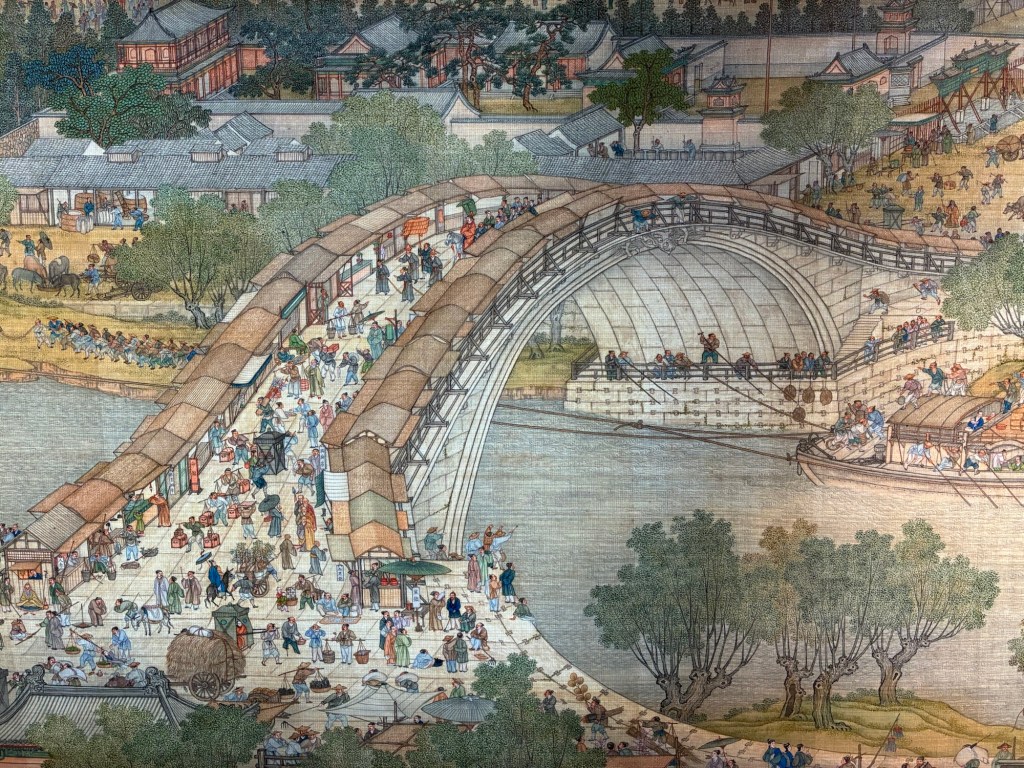
Die Kinder und wir lernen viel über die chinesische Geschichte, vor allem die Ming-Dynastie (1368–1644) und die Qing-Dynastie (1644–1912). Danach beginnt die Republic of China, wie Taiwan heute noch heißt.
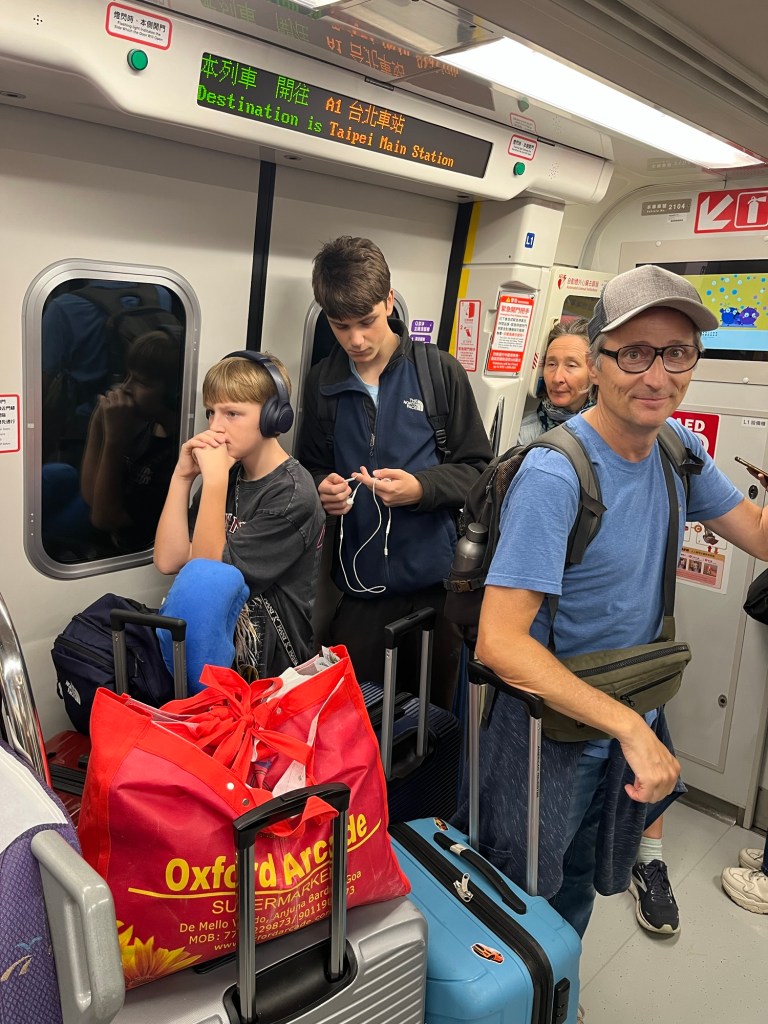
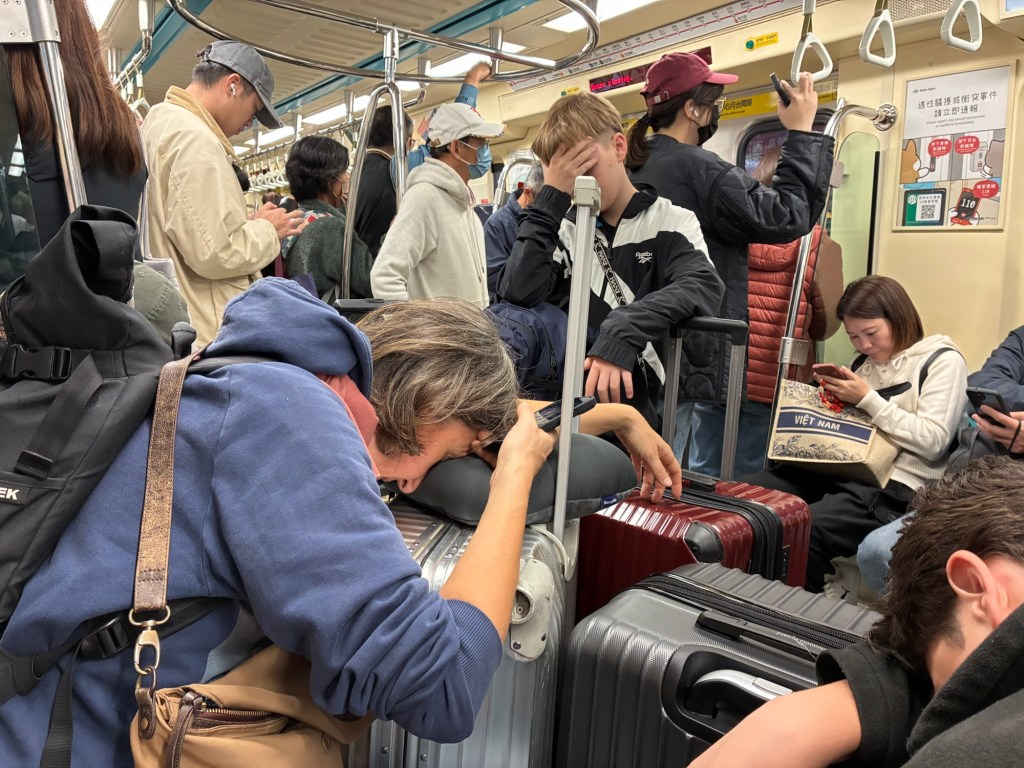
Taiwan zeigt sich uns freundlich, ordentlich und genau- wir werden mehrfach ermahnt, dass Essen und trinken im gesamten Metrobereich verboten ist.
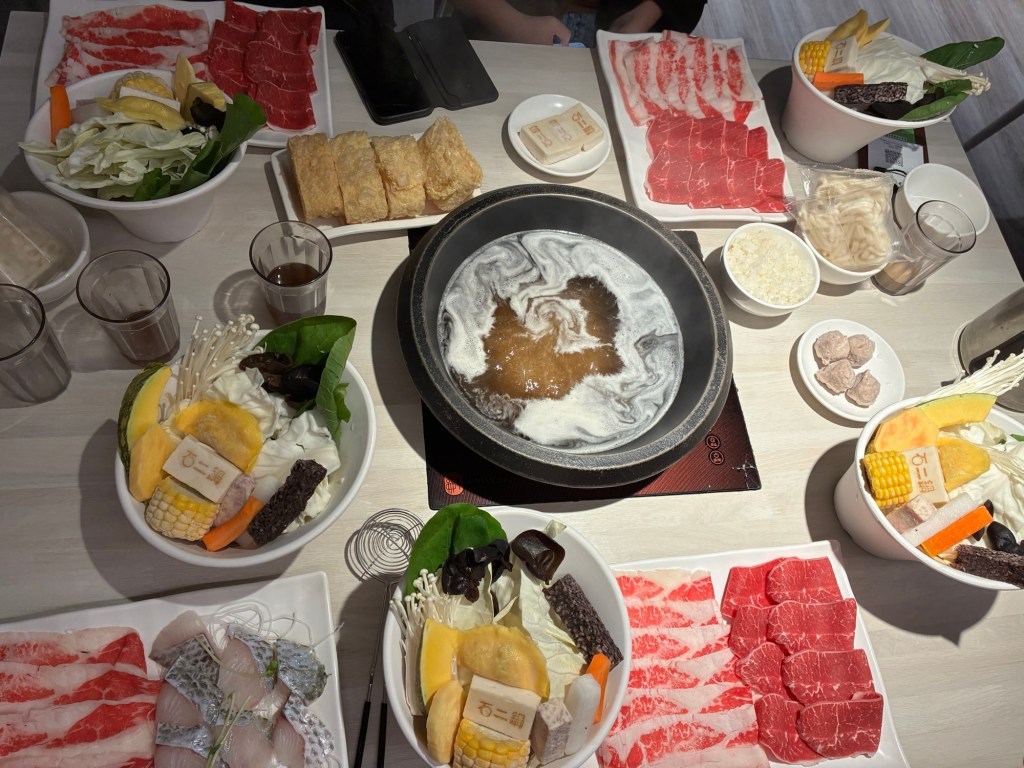
Dafür schmeckt das Essen sonst umso besser. Abends gibt es zum Beispiel Hot Pot, eine Art Fondue mit einem Topf heißer Brühe und dazu Fleisch und Gemüse- ein traditionelles Familiengericht.
Aber gelegentlich gönnen sich die Kinder auch den günstigsten Big Mac der Welt für umgerechnet 2,15€.
Wir haben viel gesehen, aber natürlich nur einen Kurzbesuch von 4 Tagen gemacht . Es lohnt sich auf jeden Fall wieder zu kommen – das steht fest! Nun sind wir auf dem Weg zum Flughafen, nächste Destination ist Naha, Okinawa, etwa 1 Stunde 30 entfernt.
Alle sind schon sehr gespannt auf Japan in seiner Südsee-Variante!
Day 101 and 102
The hot springs of Xinbeitou were developed as a hot spring region during the Japanese colonial period (1895-1945). We have a room with a sauna, with its own hot spring water. It smells of sulphur, has a pH of 3.5 and is a wonderful treat. There is also a gift in the room for guests to contemplate, 108 Adages of Wisdom. The author, Master Shen Yen, has played a leading role in the revival of Chinese Buddhism, as the blurb says. Written in five languages, it appeals to travelers. The National Palace Museum also emphasizes the central role of Buddhism in Chinese history. This museum contains the artworks of China’s imperial collection, which were brought from Beijing to Taiwan in 1945 out of fear of the Maoists.
The children and we learn a lot about Chinese history, especially the Ming Dynasty (1368-1644) and the Qing Dynasty (1644-1912). Then the Republic of China, as Taiwan is still called today, begins.
Taiwan is friendly, orderly and precise – we are reminded several times that eating and drinking is prohibited in the entire metro area.
But otherwise the food tastes all the better. In the evening, for example, we have hot pot, a kind of fondue with a pot of hot broth and meat and vegetables – a traditional family dish.
But occasionally the children also treat themselves to the world’s cheapest Big Mac for the equivalent of €2.15.
We saw a lot, but with 4 days of course we were only able to make a short visit to Taiwan. It’s definitely worth coming back – that’s for sure! Now we are on our way to the airport, our next destination is Naha, Okinawa, about 1 hour 30 minutes away.
Everyone is already very excited about Japan in its South Sea version!
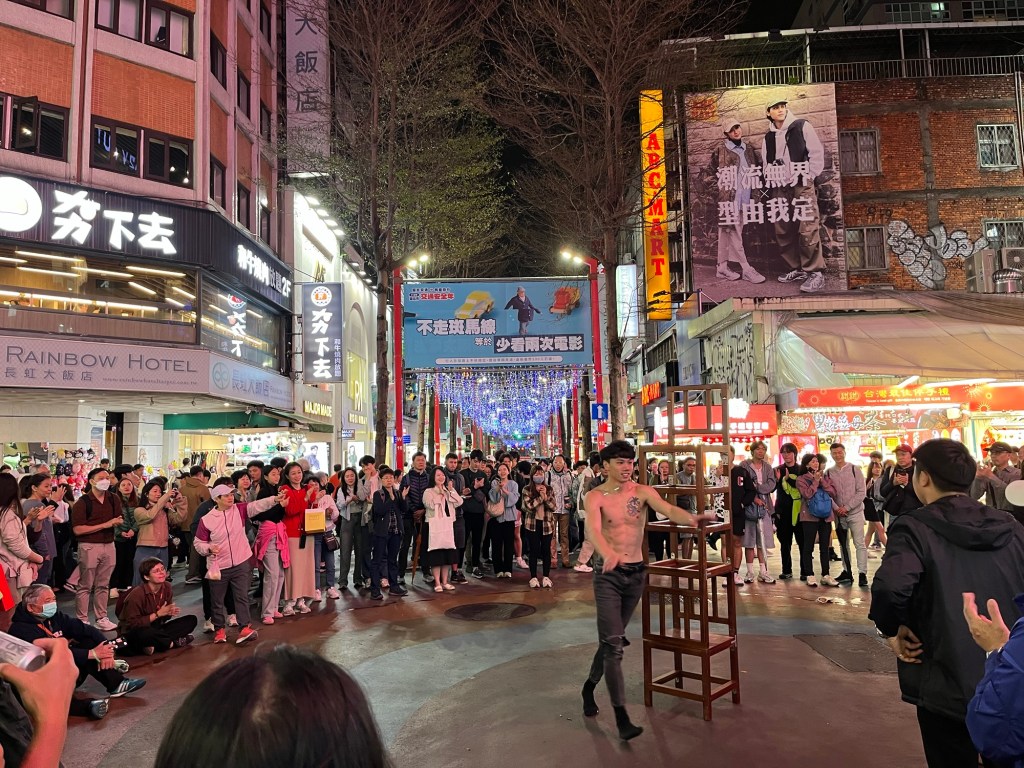
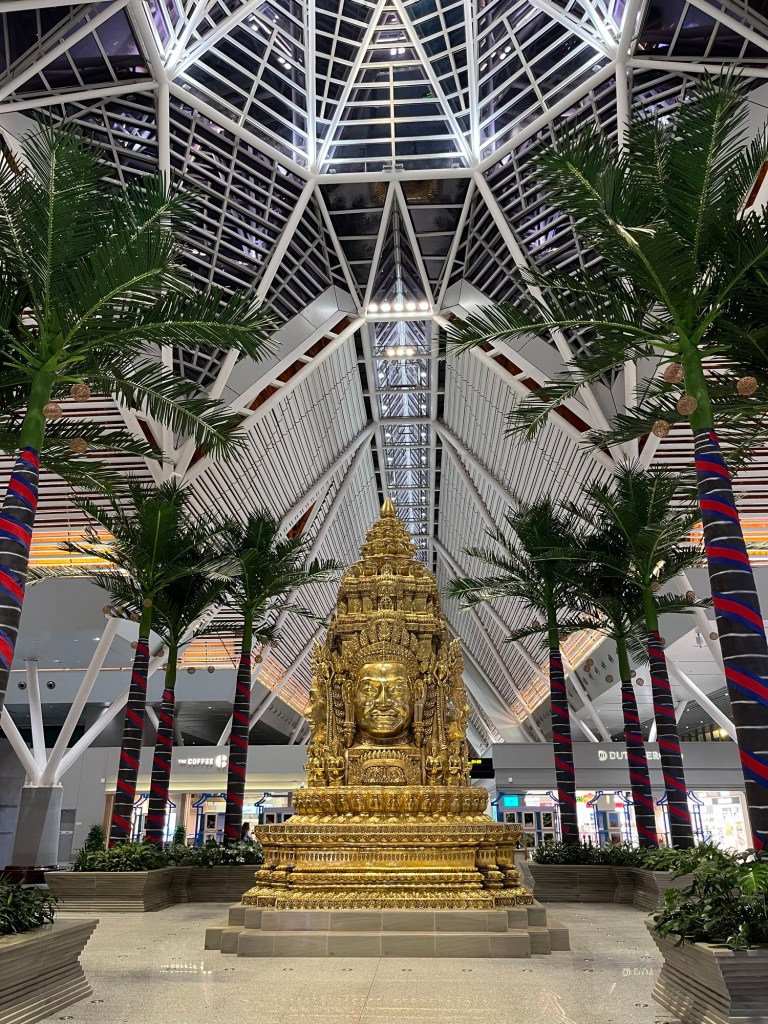
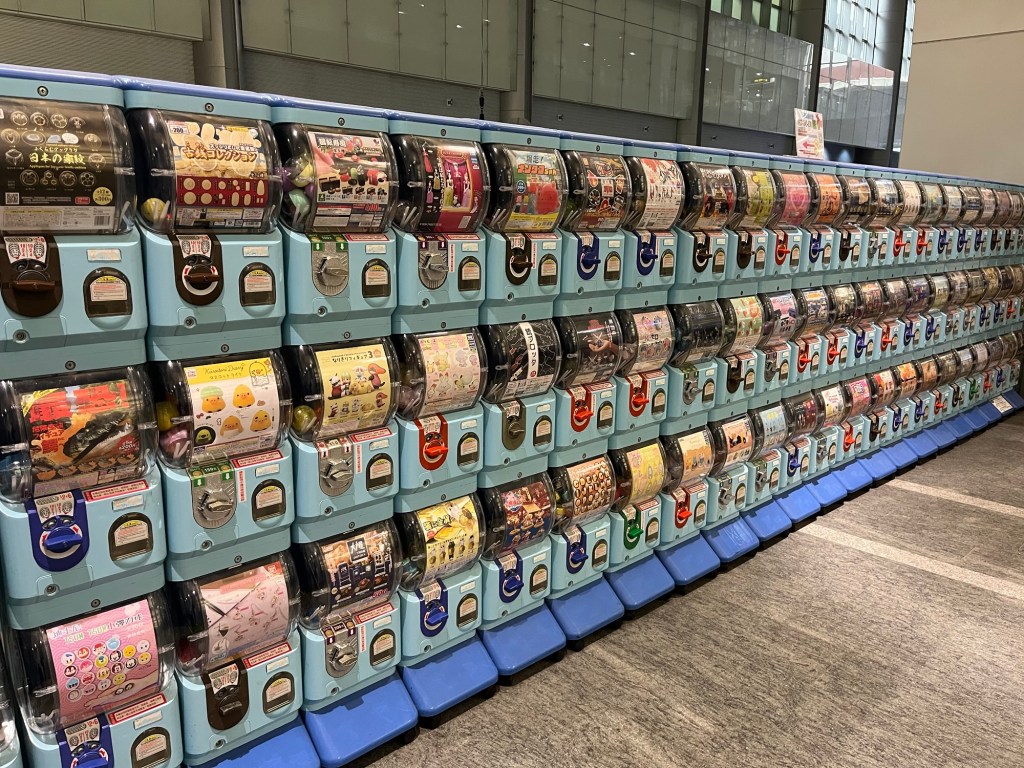
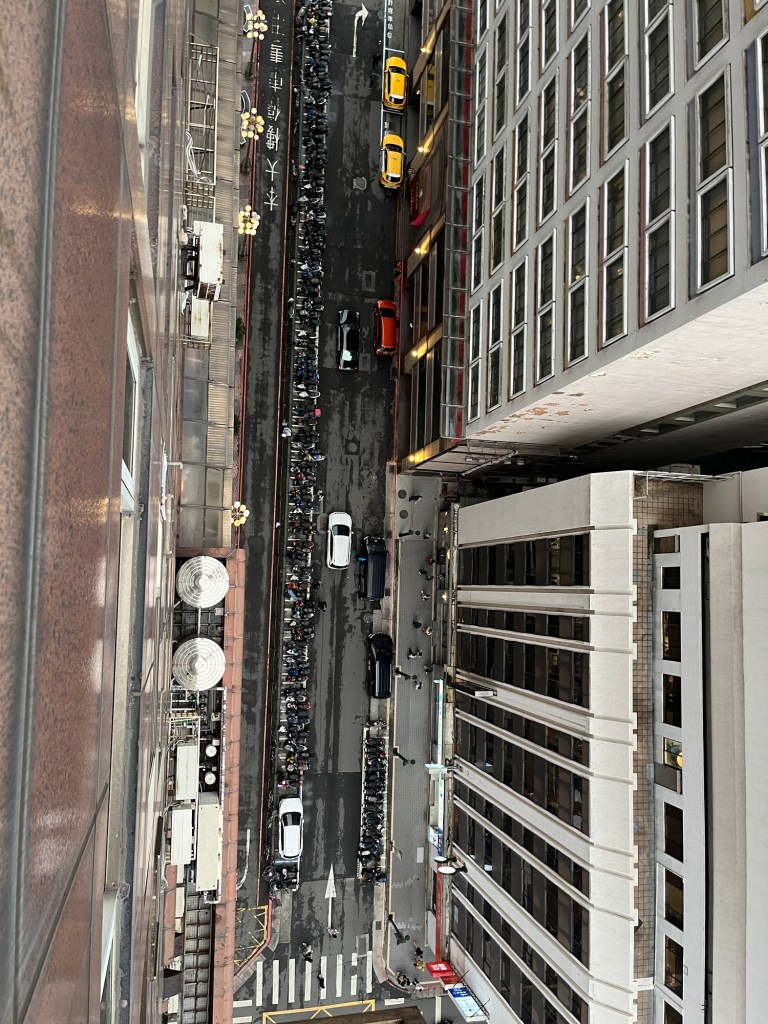
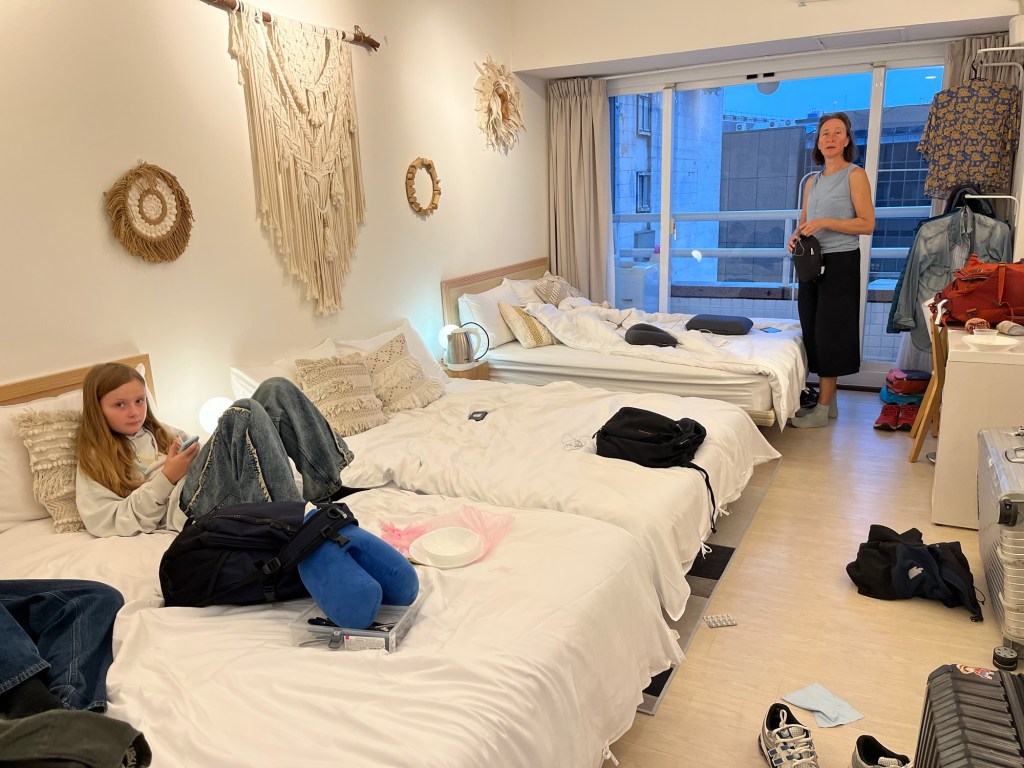
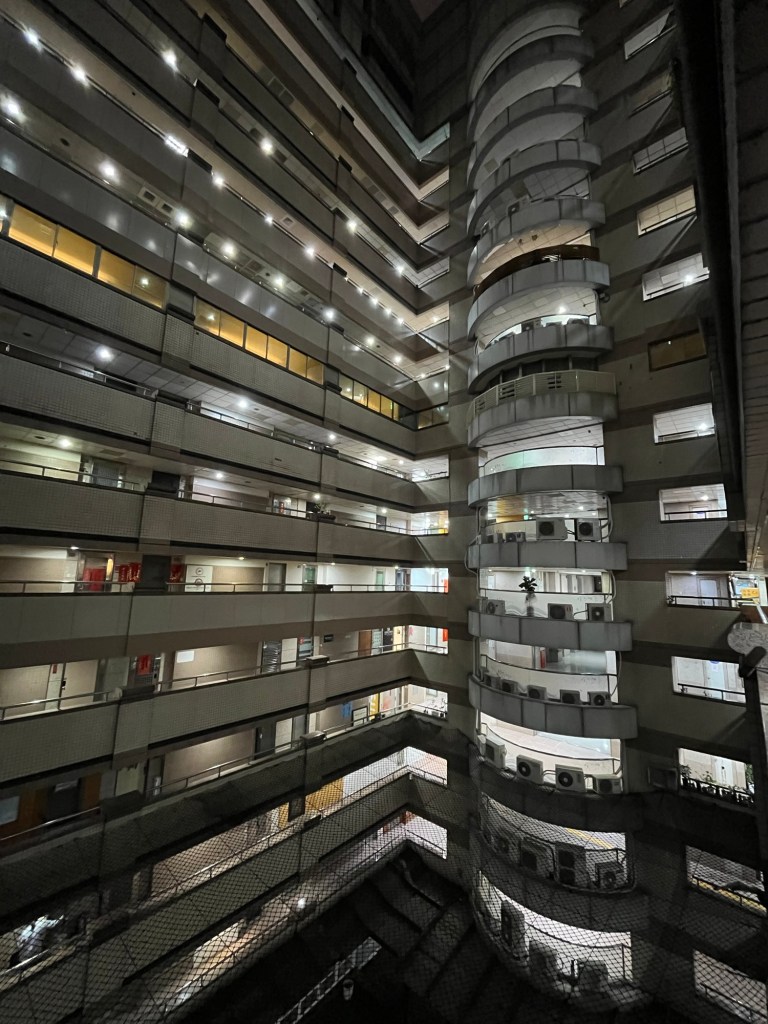
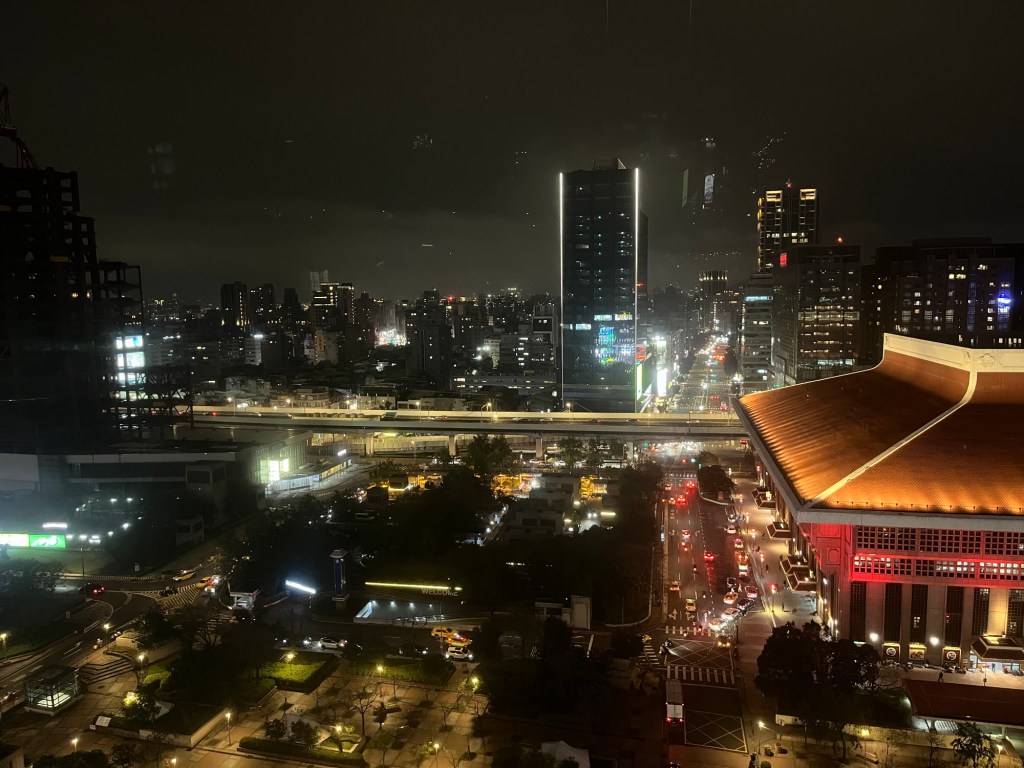
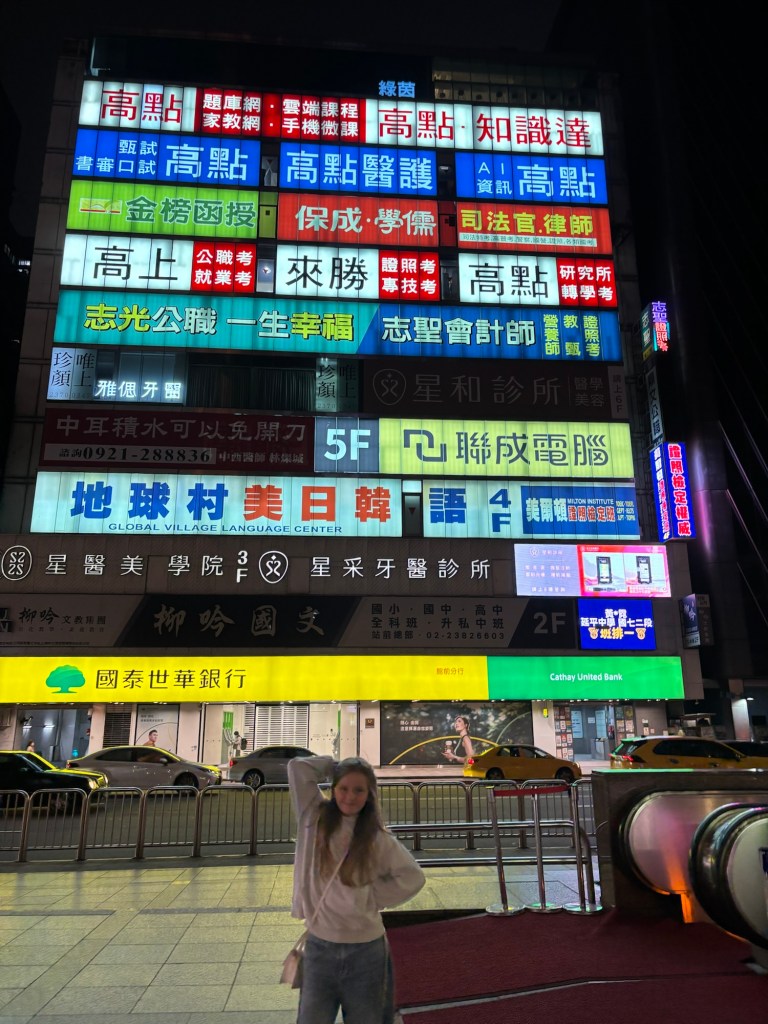
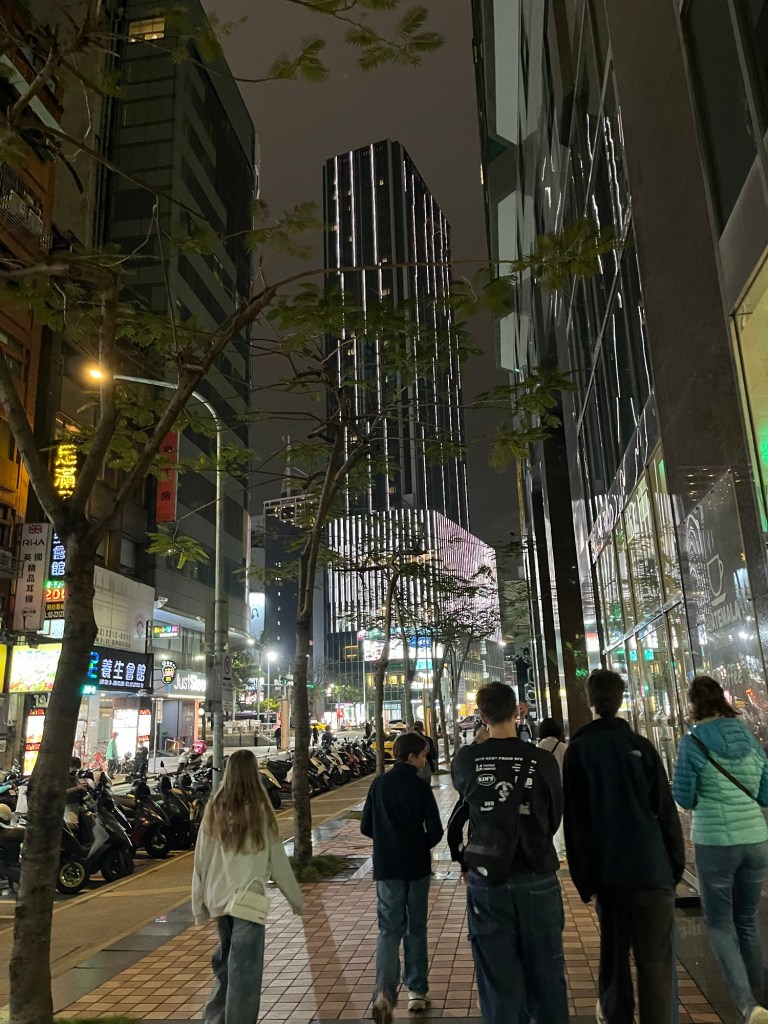
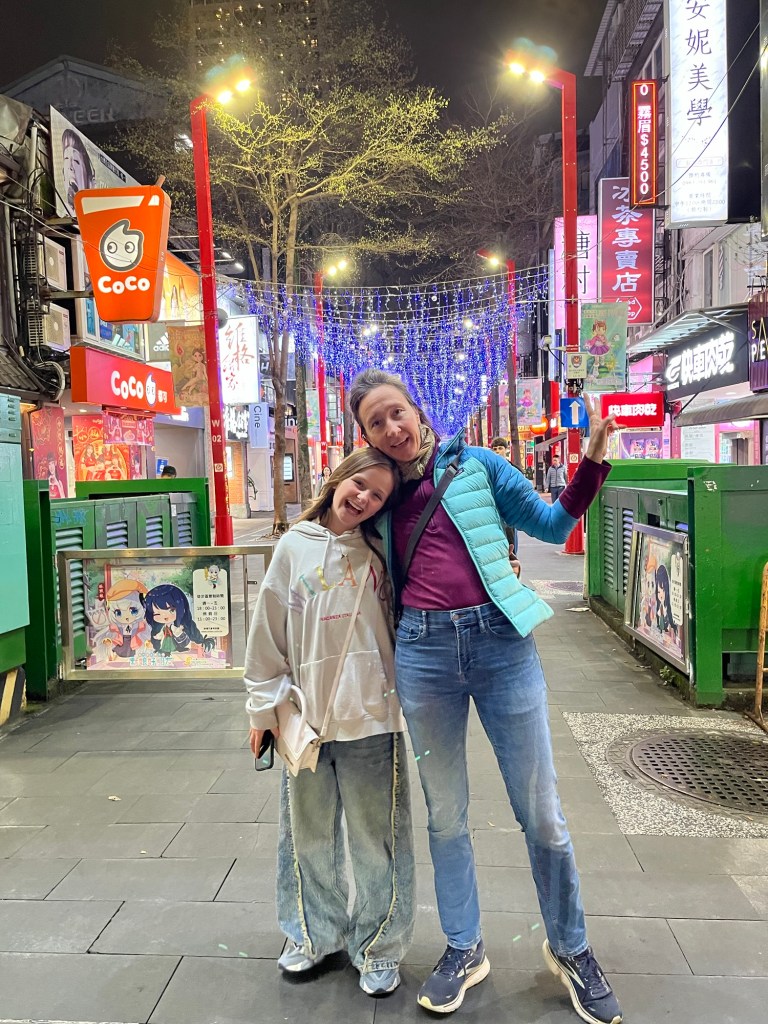
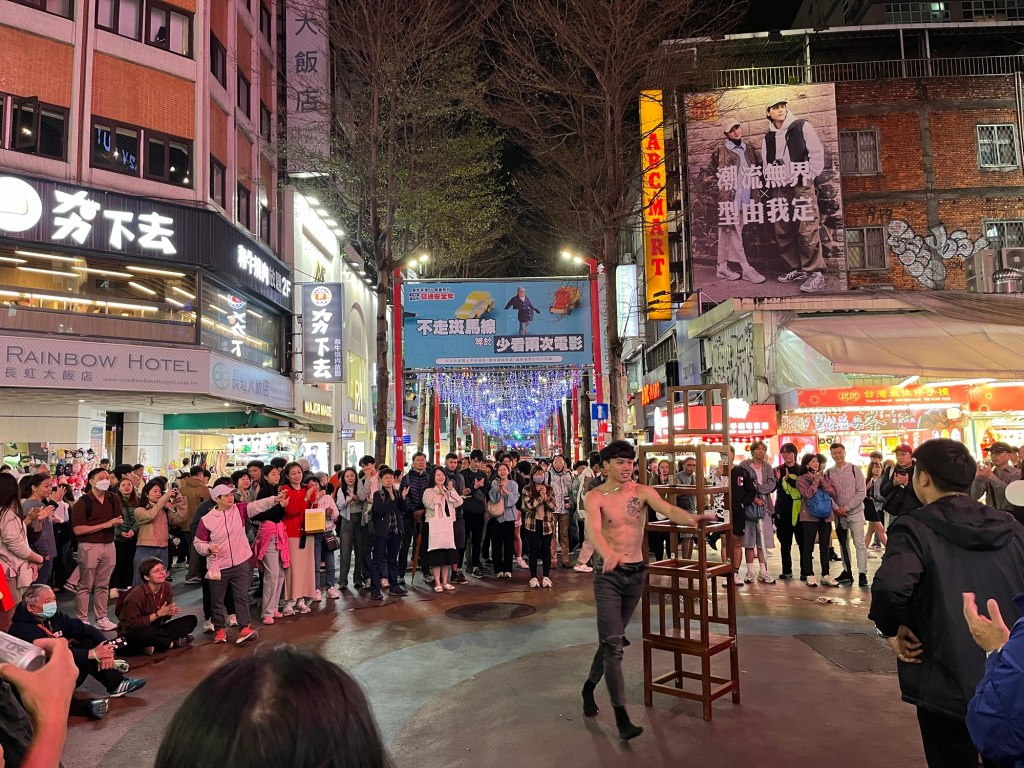
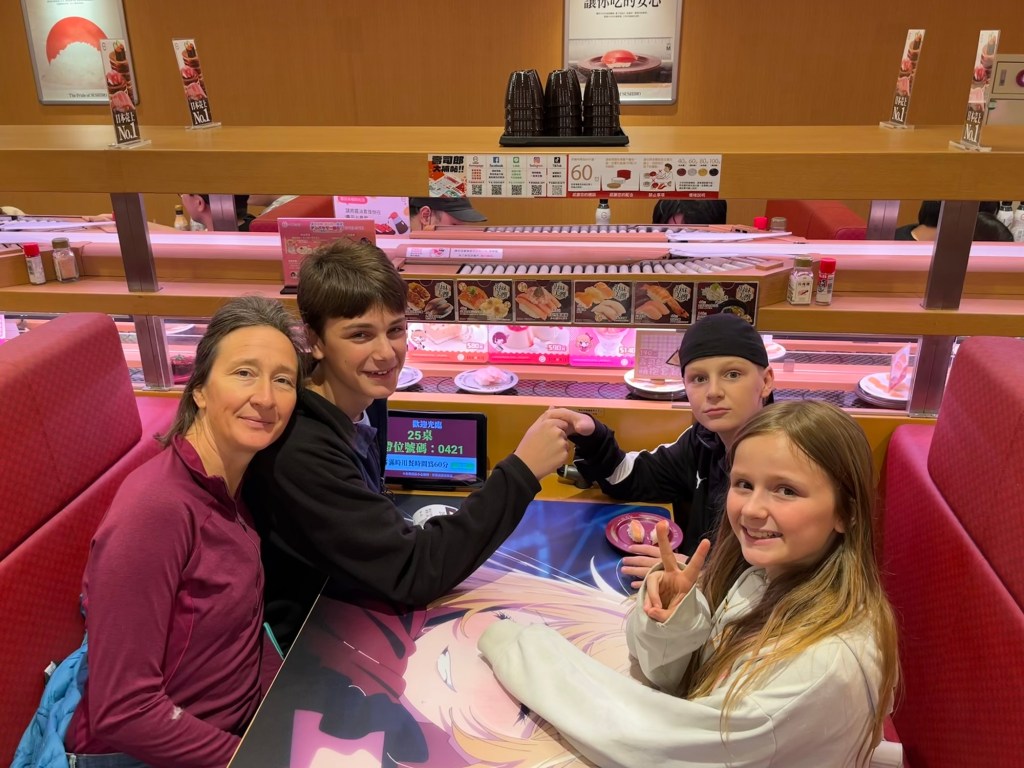
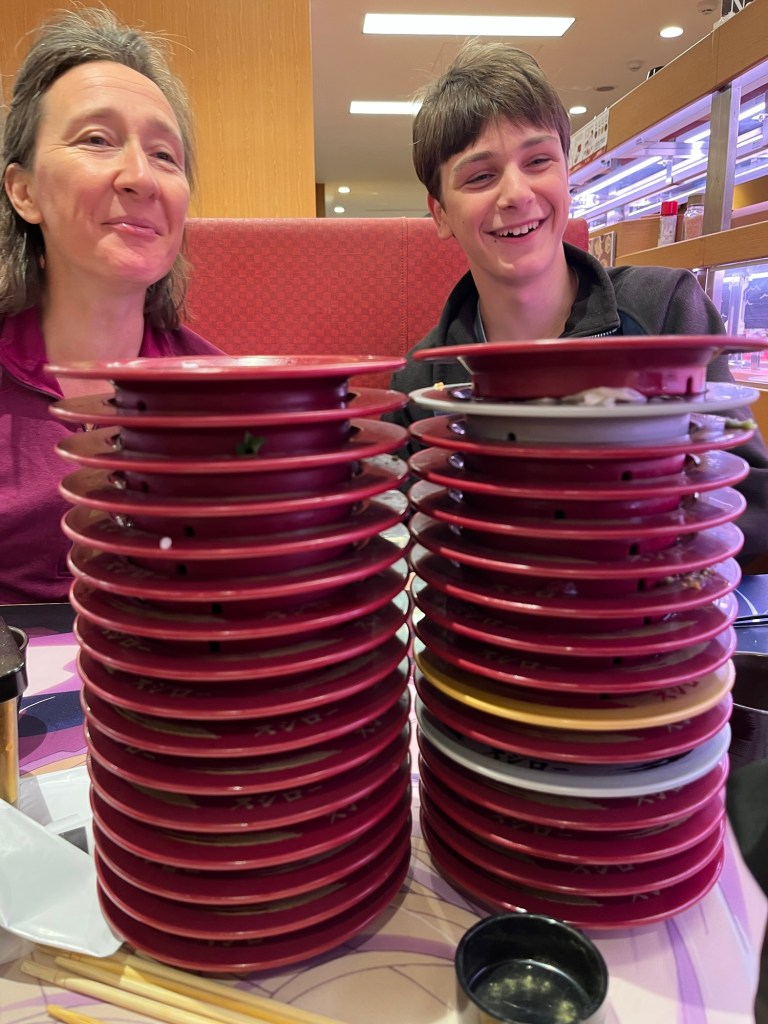
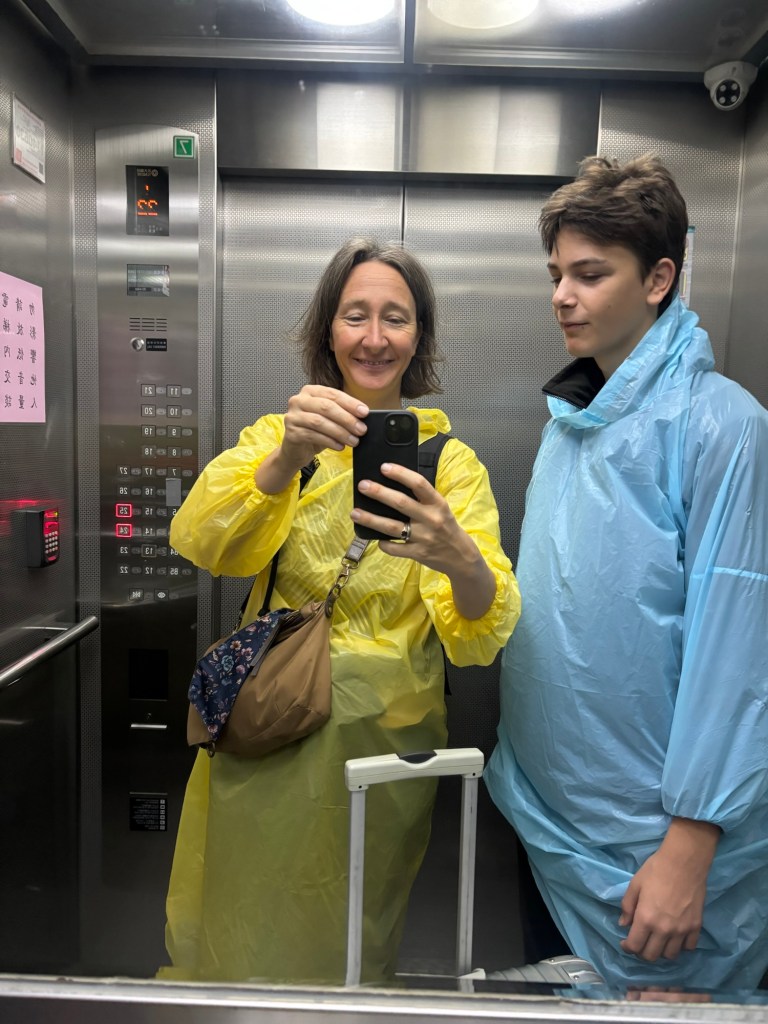
Der Flughafen von Siem Riep ist nagelneu, hat 1,1 Mrd. gekostet und ist vom chinesischen Staat gebaut, bezahlt und betrieben. Eine Investition der Road und Belt Initiative. Wir fliegen nach Hanoi. Nach einer kurzen Nacht in einem Flughafenhotel in einem heruntergekommenen Hinterhof ging es mit einem super schicken Flieger von Starlux nach Taiwan. Schon das Bodenpersonal beeindruckte durch ihre Genauigkeit, Geschwindigkeit und Freundlichkeit, und an Bord des Airbus 321neo gab es nicht nur Video und Essen, sondern auch Kopfkissen, Decken, Besteck aus Metall und die bisher bequemsten Sessel. In Taipeh beginnt eine ganz andere Welt. Velis meinte sofort – wie in Japan. Alles hocheffizient und voller Technik, mit Seven Eleven wo man gekochte Eier für 25 Cent kaufen kann und lauter asiatische Snacks fahren wir mit einer Chipkarte für die Metro mit dem Expresszug – natürlich mit geschlossenen Türen auf Bahnsteigseite durch Nebelschwaden mit Reisfeldern, Bergwäldern und moderner Industrie direkt zum Hauptbahnhof. Unser Appartment im 16. Stock eines 27 stöckigen Hochhauses war direkt von der Metro aus zu erreichen, über WhatsApp hatten wir schon alle Infos und landeten in einem original Einzimmerappartement mit Balkon, Waschmaschine und drei Doppelbetten nebeneinander. Es wurde dunkel, und alle wollten gleich raus – draußen blieben uns allen immer nur der Mund offen vor Staunen. Little Tokio wird Taipeh auch genannt, und wir fühlten uns tatsächlich wie in Japan. Nur irgendwie noch bunter, und die Fußgängerzone war komplett mit blauen LED wie an Weihnachten behangen. Bald wählten wir den Sushiro, zogen eine Wartenummer und hatten in 30 Minuten unseren Slot. Eine coole Erfahrung, mit zwei Fließbändern mit Sushi, einer mit fertigen Tellern, der andere für individuelle Bestellungen per Ipad. 4 Tunfisch-Makis oder .2 Lachs-Nigiris für 1,10 Euro. Wir haben uns alle an Sushi sattgegessen und unser Ankunft in Taiwan gefeiert. Gefühlt regnet es hier ständig und die ganze Stadt ist eine einzige unterirdische Anlage.
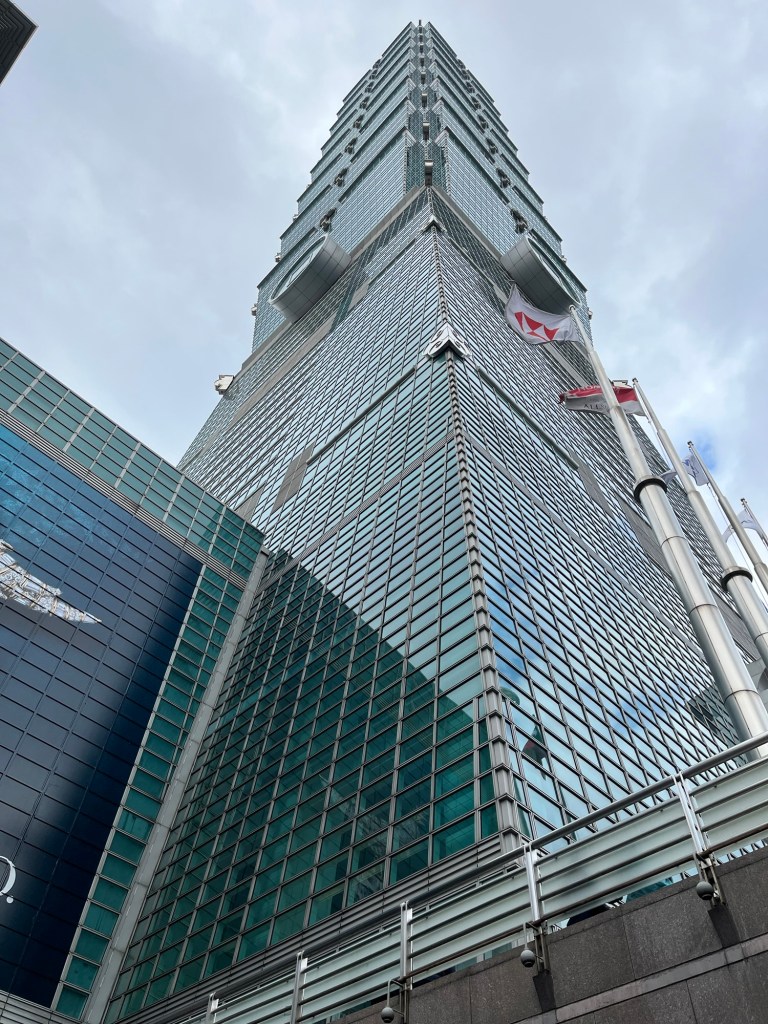
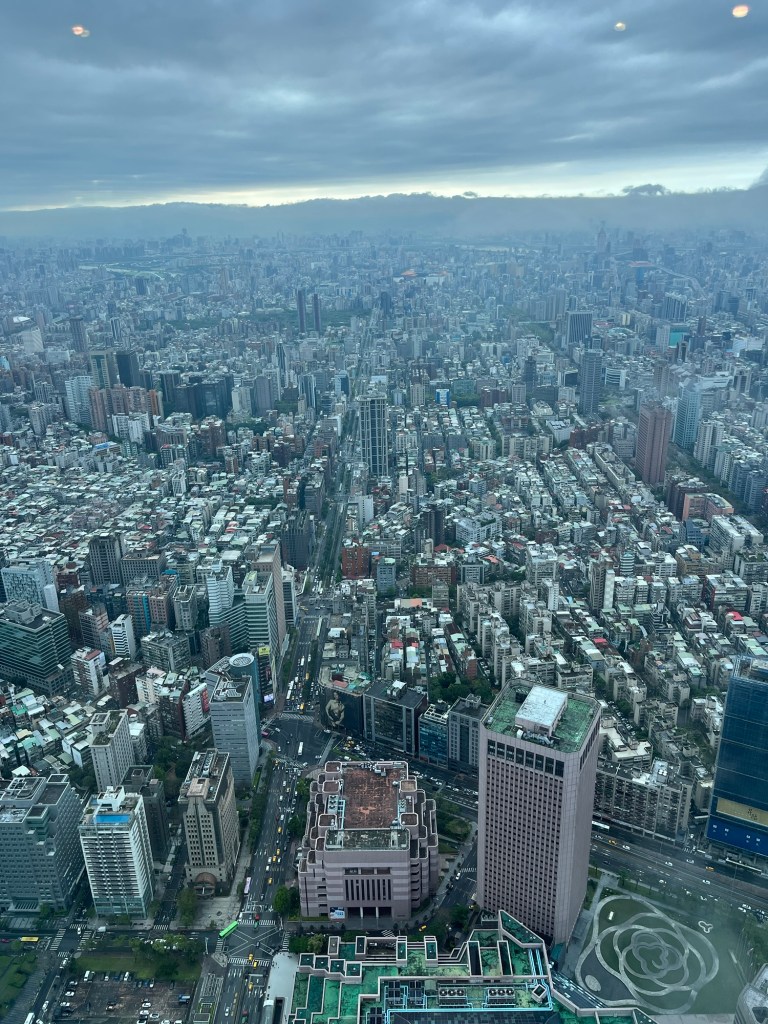
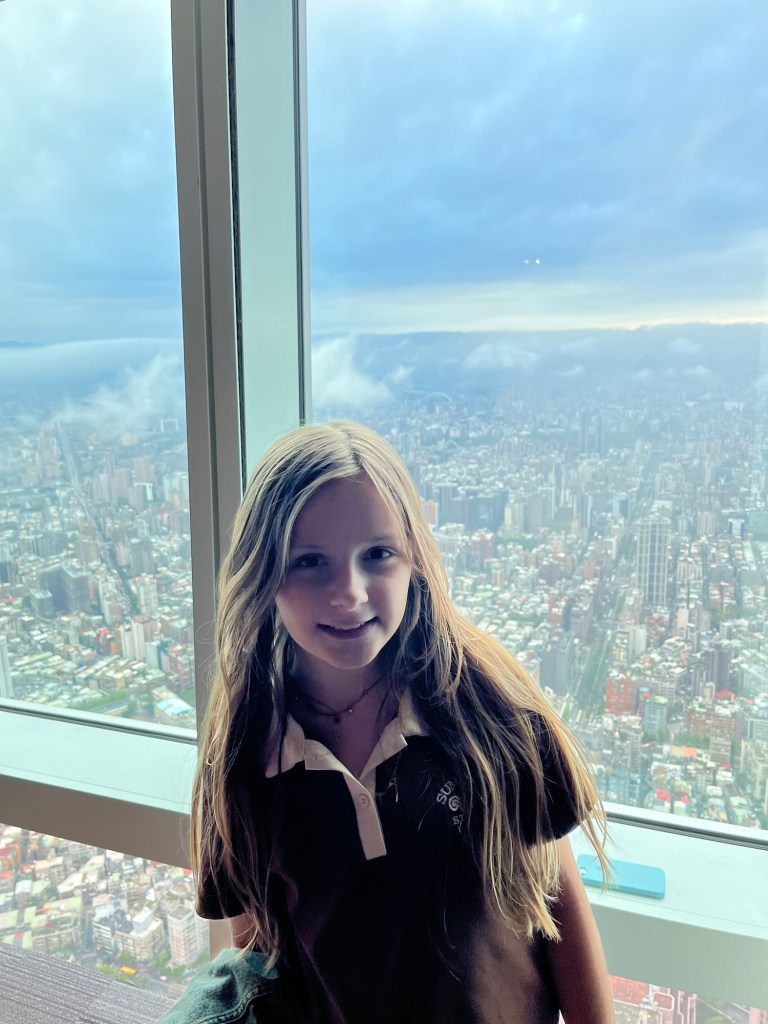
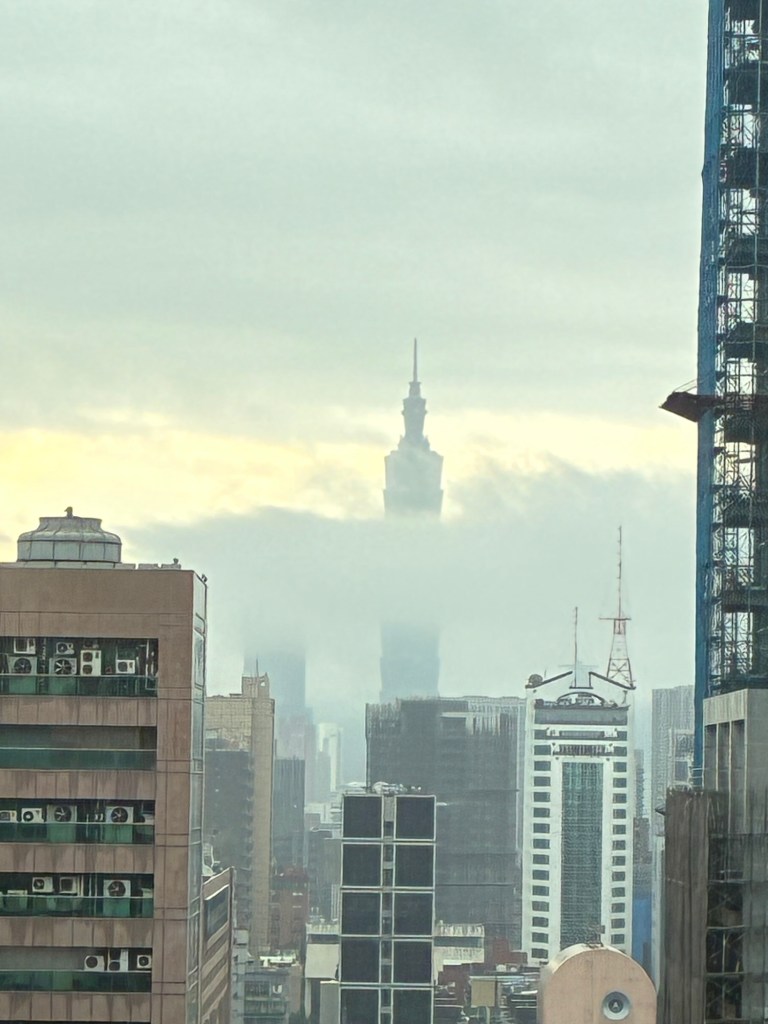
Aus diesem Land kommen 50% der weltweiten Chips für Handys und Rechner, mit Foxconn der Hersteller des IPhone und wir lernen, dass die Geschichte Taiwans von der Eroberung durch Holland, Spanien, China und Japan geprägt ist. Wie auch Vietnam war es im zweiten Weltkrieg von Japan besetzt und verteidigte sich danach gegen die Maoisten unter Chiang Kai-shek. Man spürt, dass es sich gegen das kommunistische China verteidigt – die U-Bahnstation unter dem Flughafen hat 30 cm dicke Bunker-Stahltüren. Der 505 Meter hohe Taipeh 101 war bis 2010 das höchste Gebäude der Welt – wir haben den Ausblick aus 400 Meter Höhe sehr genossen und hatten Glück, dass die Wolken gerade weiterzogen und uns einen Rundum-Blick ermöglichten.
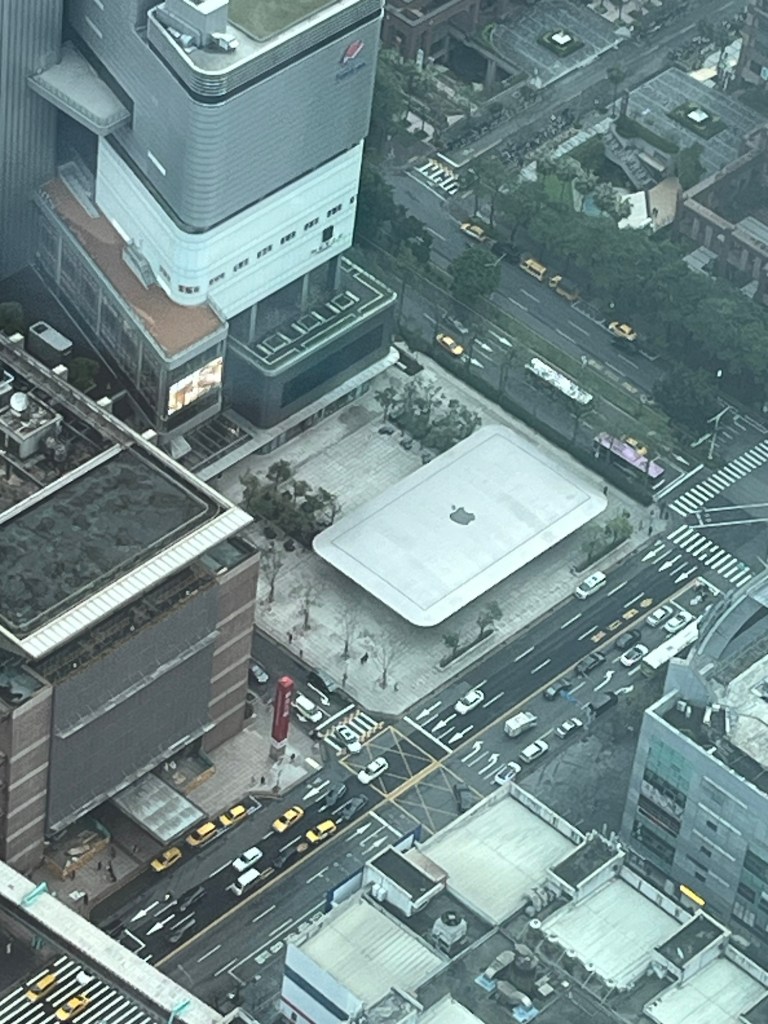
Ich holte mir auf Anraten der Kinder ein neues IPhone 16e, das es hier für 610 Euro im Apple-Store gab und freue mich nun endlich nicht nur bis Mittag Akku zu haben.
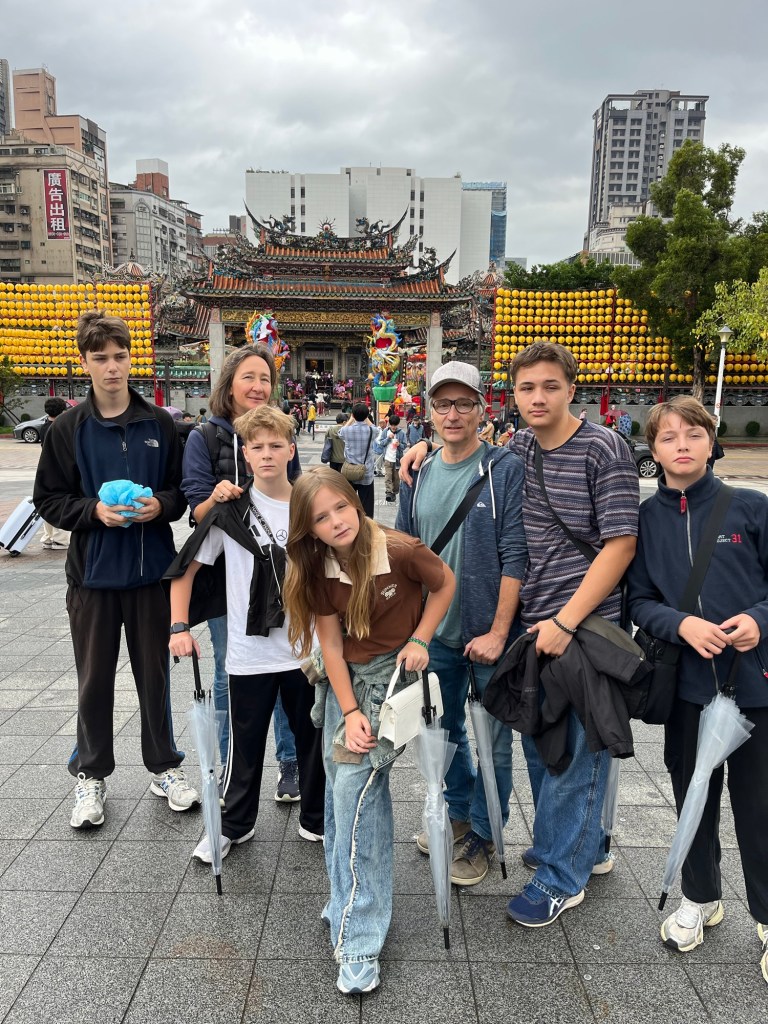
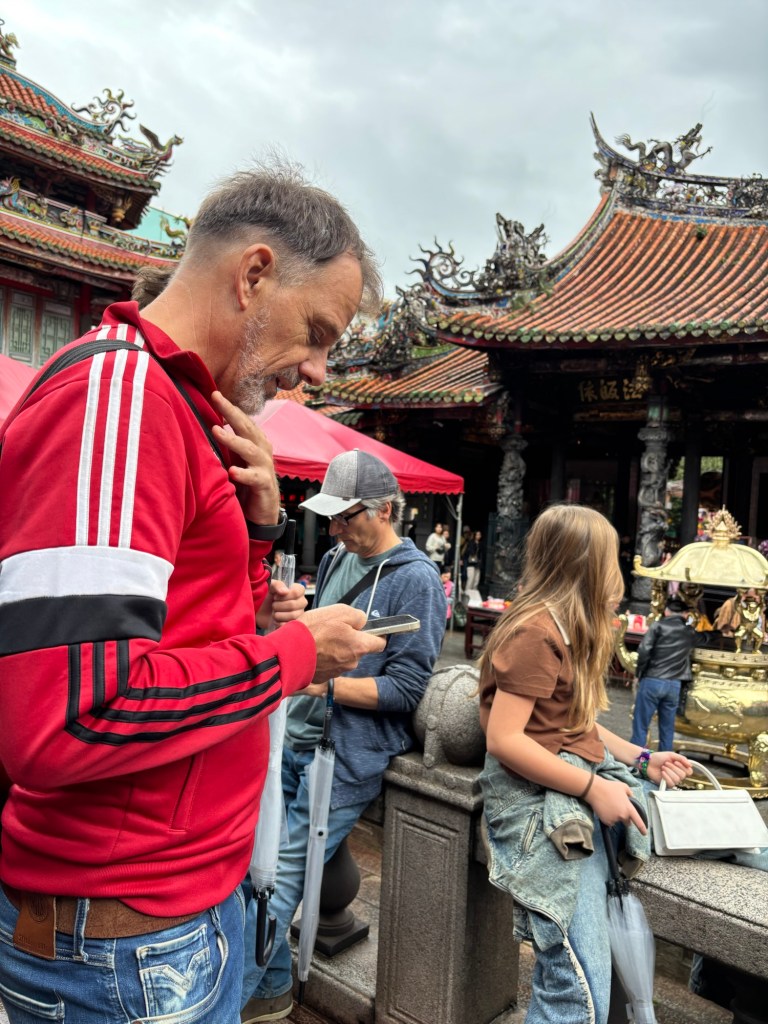
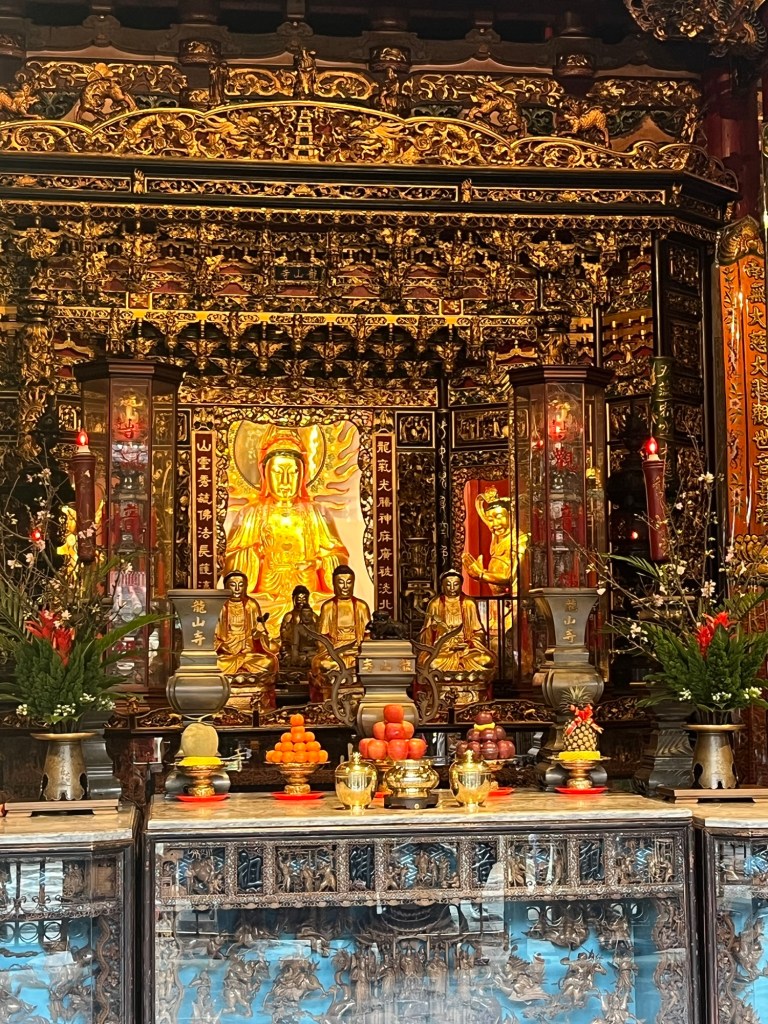
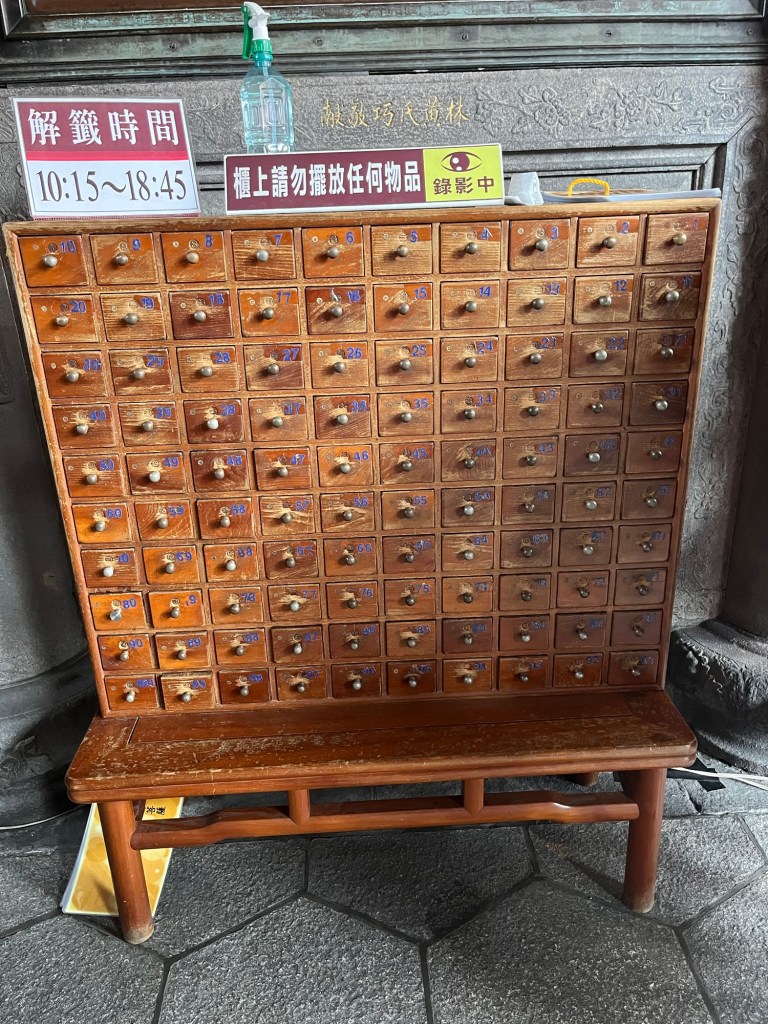
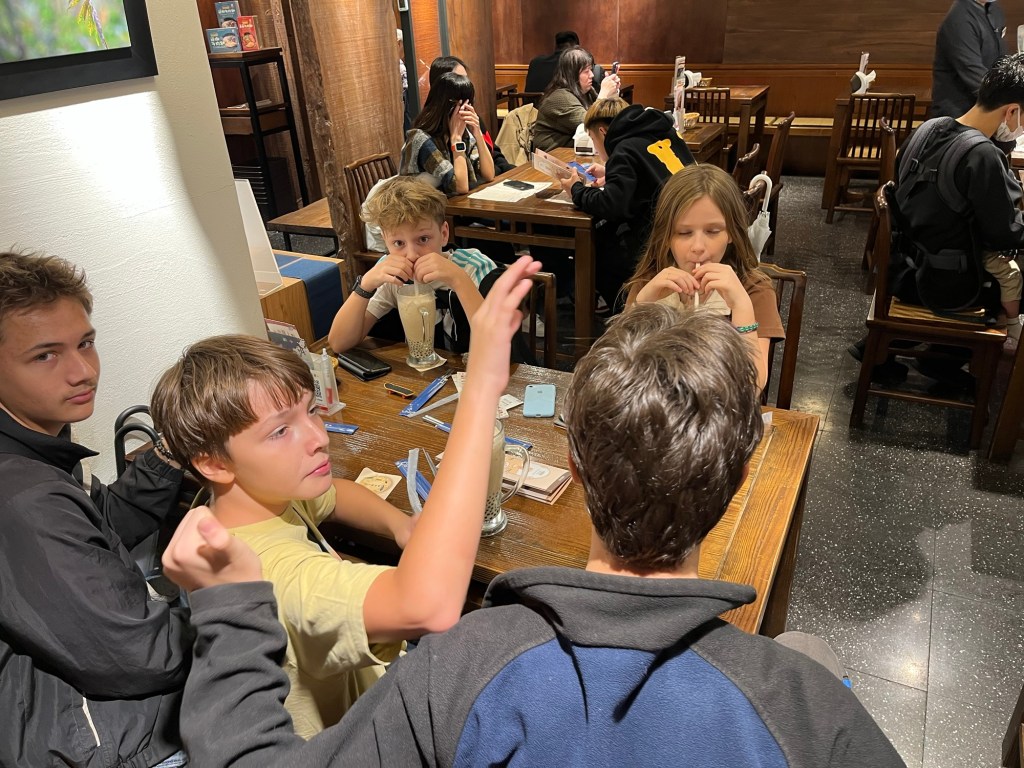
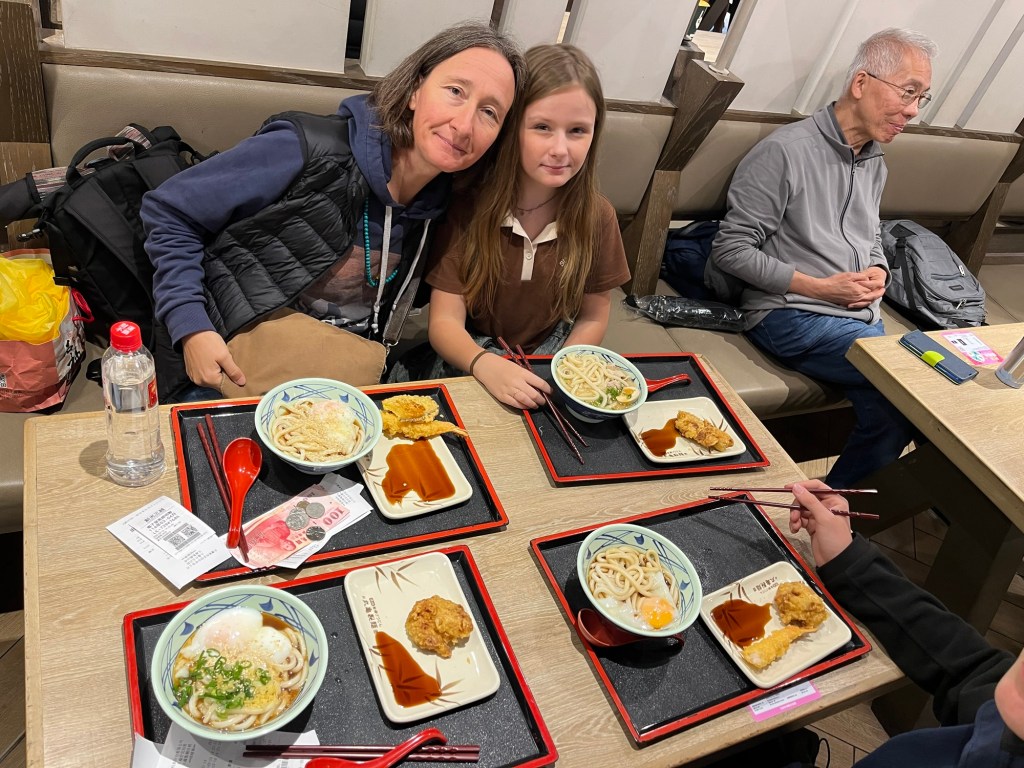
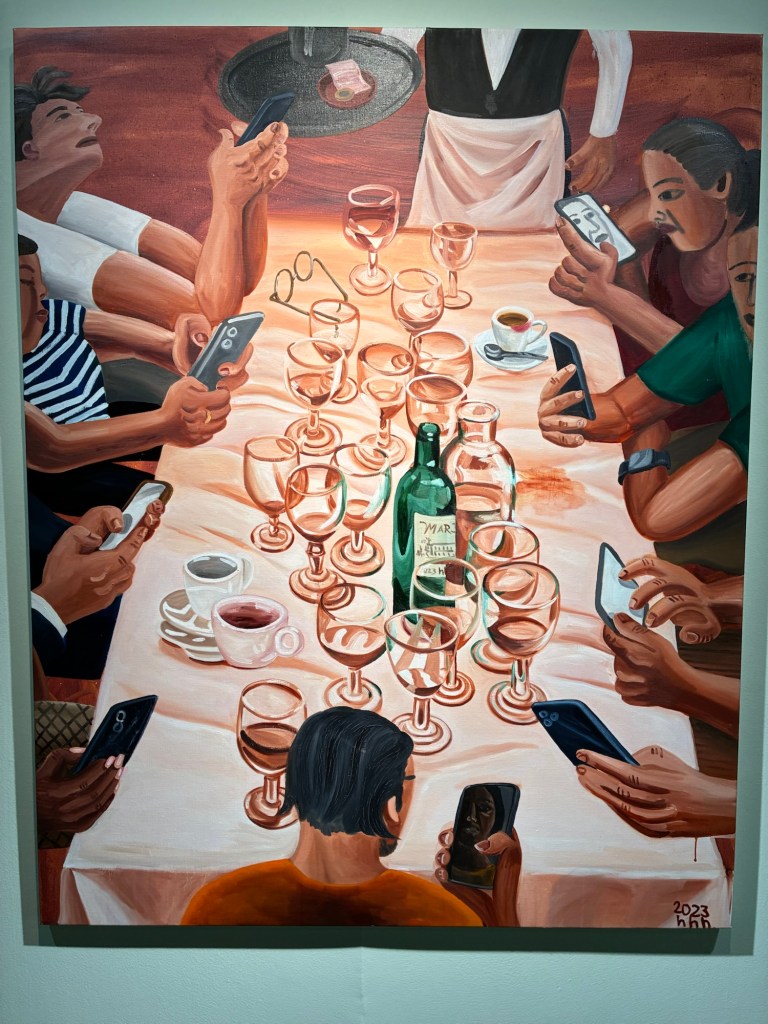
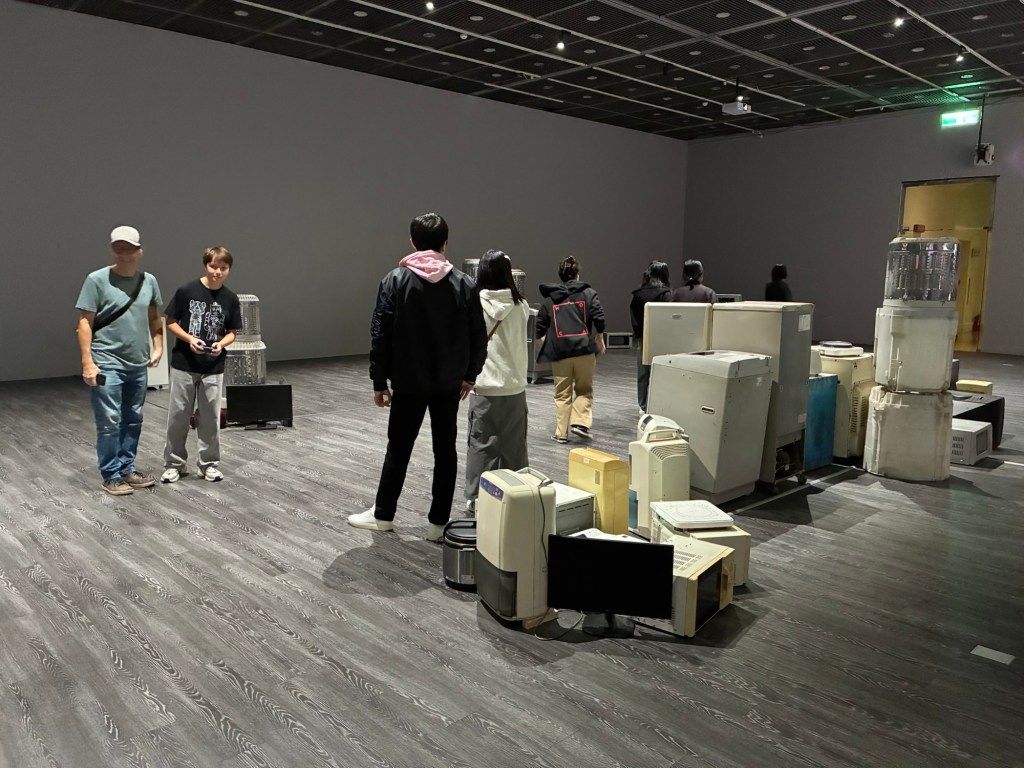
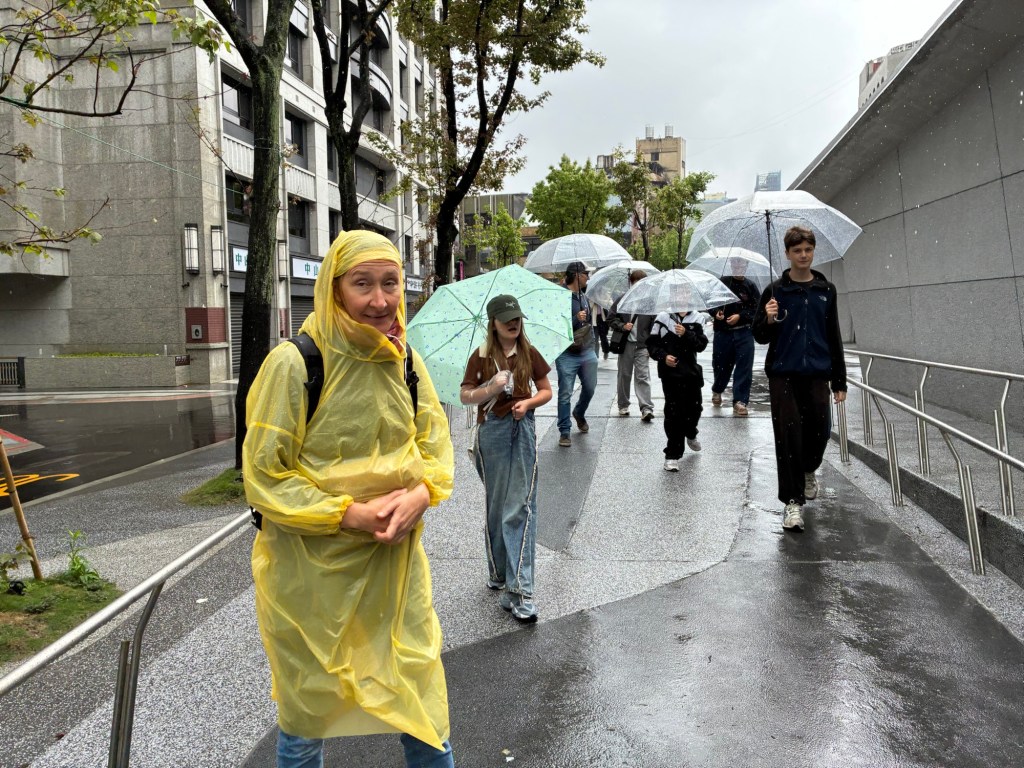
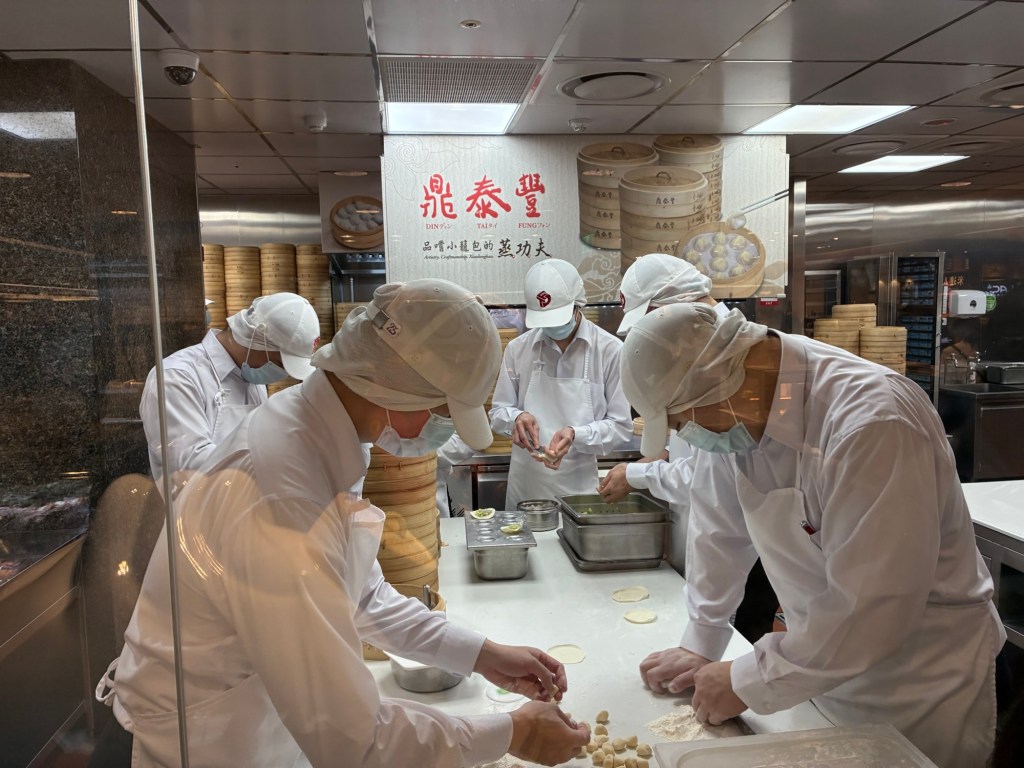
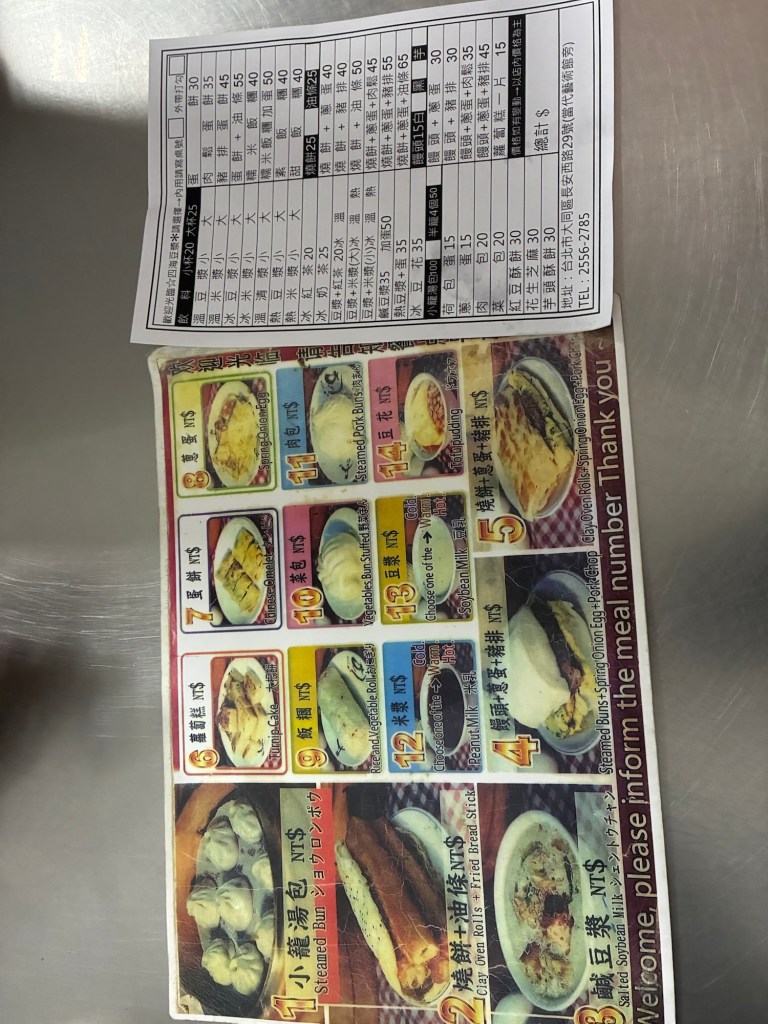
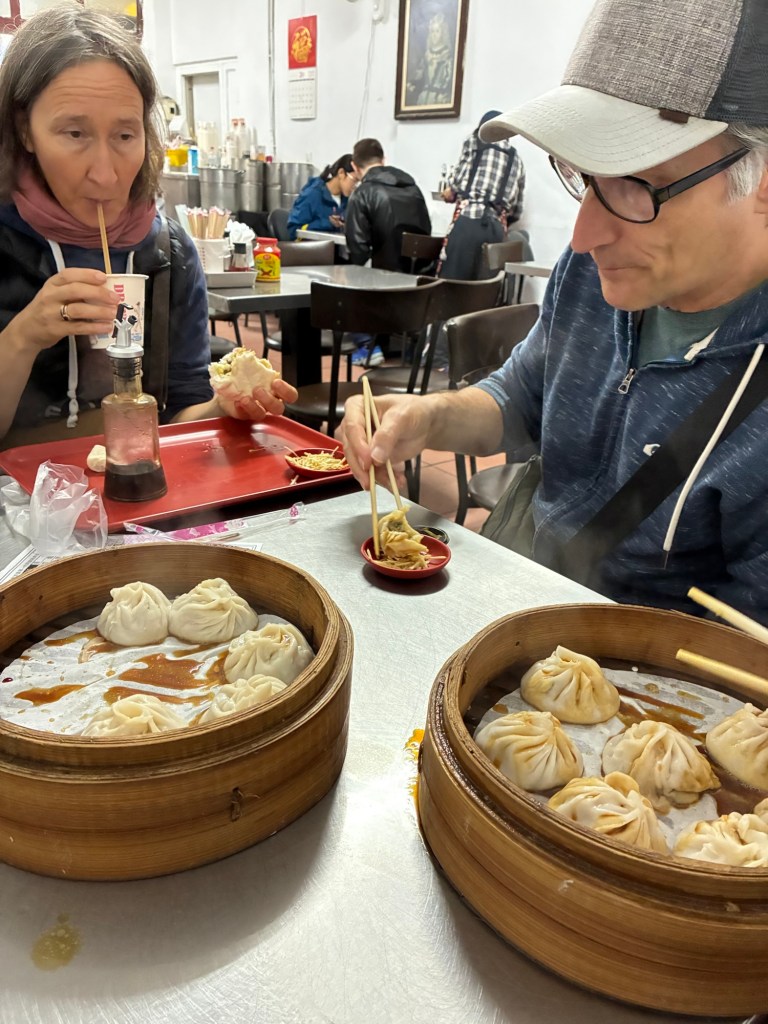
Es regnet immer wieder in Strömen, und in einem Tempel werfen die Kinder das hier übliche Halbmond-Orakel, und wieder ist alles sehr bunt. Taipeh ist großartig und wir spüren, dass wir jetzt im modernen Asien angekommen sind. 35 Prozent des Welthandels kommt bereits aus Asien, Tendenz steigend, so viel wie aus Europa. USA hat noch 12 Prozent, Tendenz fallend. Wir gehen in das Museum für Contemporary Art, essen Bun-Dumplings und trinken Bubble-Tea, der kommt aus Taiwan. Abends geht es mit der U-Bahn heraus zum Thermalort Baitou.
Day 98 to 100
Siem Riep Airport is brand new, cost 1.1 billion and is built, paid for and operated by the Chinese government. An investment by the Road and Belt Initiative. We fly to Hanoi. After a short night in an airport hotel in a run-down backyard, we took a super chic plane from Starlux to Taiwan. The ground staff impressed us with their accuracy, speed and friendliness, and on board the Airbus 321neo there was not only video and food, but also pillows, blankets, metal cutlery and the most comfortable chairs yet. A completely different world begins in Taipei. Velis said immediately – just like in Japan. Everything is highly efficient and full of technology, with Seven Eleven where you can buy boiled eggs for 25 cents and lots of Asian snacks, we take the express train with a chip card for the metro – with the doors closed on the platform side, of course – through wafts of mist with rice fields, mountain forests and modern industry directly to the main station. Our apartment on the 16th floor of a 27-storey tower block could be reached directly from the metro, we already had all the information via WhatsApp and ended up in an original one-bedroom apartment with a balcony, washing machine and three double beds next to each other. It was getting dark and everyone wanted to go out straight away – outside, we were all left with our mouths hanging open in amazement. Taipei is also known as Little Tokyo, and we really did feel like we were in Japan. Only somehow even more colorful, and the pedestrian zone was completely covered in blue LEDs like at Christmas. We soon chose the Sushiro Restaurant, drew a waiting number and had our slot in 30 minutes. A cool experience, with two conveyor belts of sushi, one with ready plates, the other for individual orders via Ipad. 4 tuna makis or .2 salmon nigiris for 1.10 euros. We all ate our fill of sushi and celebrated our arrival in Taiwan. It feels like it is constantly raining here and the whole city is one big underground complex.
This country produces 50% of the world’s chips for cell phones and computers, Foxconn is the manufacturer of the iPhone and we learn that Taiwan’s history is characterized by conquest by Holland, Spain, China and Japan. Like Vietnam, it was occupied by Japan during the Second World War and then defended itself against the Maoists under Chiang Kai-shek. You can sense that it is defending itself against Communist China – the subway station under the airport has 30 cm thick bunker steel doors. The 505-metre-high Taipei 101 was the tallest building in the world until 2010 – we really enjoyed the view from 400 meters up and were lucky that the clouds had just moved on, giving us an all-round view.
On the children’s advice, I got myself a new iPhone 16e, which was available here for 610 euros in the Apple store and I’m now finally looking forward to having more than just a battery until midday.
It keeps raining cats and dogs, and in a temple the children cast the usual crescent moon oracle, and again everything is very colorful. Taipei is great and we feel that we have now arrived in modern Asia. 35 percent of world trade already comes from Asia, and the trend is rising, as much as from Europe. The USA still accounts for 12 percent, and the trend is downwards. We go to the Museum of Contemporary Art, eat bun dumplings and drink bubble tea, which comes from Taiwan. In the evening, we take the subway out to the thermal resort of Baitou.


 our travel space